
Ear Infection in Adults and Kids: Symptoms, Antibiotics, and When to Get Seen
Ear pain after a cold is often a middle ear infection, and pain when you touch the ear is often swimmer's ear. Here's how they differ, when antibiotics help, and when to come in.
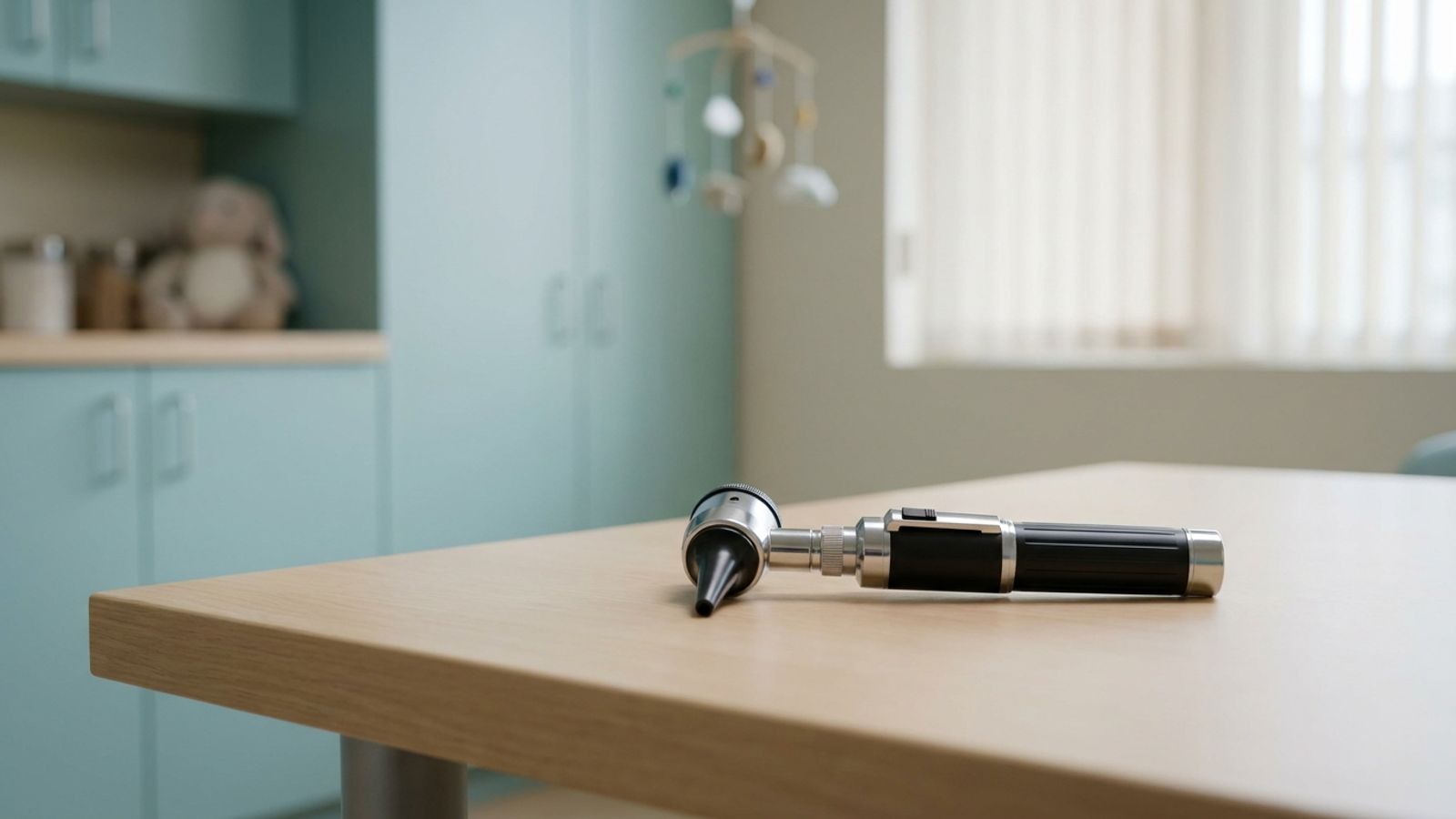
An ear infection usually means ear pain, a full or plugged feeling and muffled hearing, often a few days into a cold. In young children it can show up as fussiness, tugging at the ear, trouble sleeping and fever. Many mild ear infections get better on their own in two or three days, but some need antibiotics, and a clinician can tell which kind you have by looking at the eardrum.
Two common kinds
Middle ear infection (otitis media) happens behind the eardrum, usually after a cold or allergies leave fluid there. It's most common in young children but adults get it too. Pain is deep in the ear and can come with fever.
Swimmer's ear (otitis externa) is an infection of the ear canal. It hurts when you pull on the earlobe or press the flap in front of the ear, and the canal may itch, swell or drain. It's treated with ear drops, not pills.
Ear infection symptoms in adults
- Ear pain, often worse lying down
- A plugged or full feeling and muffled hearing
- Fluid draining from the ear
- Sometimes fever, dizziness or ringing
Ear infection symptoms in kids
- Tugging or pulling at an ear
- Crying more than usual, especially lying down
- Trouble sleeping
- Fever
- Not responding to quiet sounds
- Fluid draining from the ear
Do you need antibiotics?
Not always. Many middle ear infections are caused by viruses or clear up on their own, so for older children and adults with mild symptoms, a clinician may suggest pain relief and a short wait. Antibiotics are more likely for young children, for more severe pain or a high fever, for drainage from the ear, or when symptoms aren't improving after two or three days. Swimmer's ear is treated with antibiotic ear drops.
What helps at home
- Acetaminophen or ibuprofen for pain and fever, dosed for age and weight
- A warm compress against the ear
- Sitting up rather than lying flat
- Keeping water out of an ear with swimmer's ear until it heals
Don't put cotton swabs, oils or anything else into a painful ear.
When to get seen
Come in if ear pain lasts more than a day or two, is severe, comes with a fever, or if the ear is draining, and for any ear pain in a baby. At an AfterOurs clinic, a standard self-pay visit is $175, and a self-pay in-clinic visit never costs more than $330. We contract with all major commercial and government plans, including Colorado Medicaid and Medicare. See our ear infection page and the cost and insurance page.
Go to the ER or call 911 if there's redness, swelling or pain behind the ear, the ear is pushed out from the head, there's a stiff neck, severe headache, confusion or facial weakness, or a baby under 3 months has a fever of 100.4°F or higher.
Where to find us
Four clinics across metro Denver, all ages welcome, se habla español:
- Hampden (Southeast Denver): 8 AM–11 PM daily
- Littleton: 8 AM–11 PM daily
- Thornton: 8 AM–11 PM daily
- Highlands: Mon–Fri 5–11 PM, Sat–Sun 8 AM–11 PM
Walk in, or book online.
Medically reviewed by Peter Martinuzzi, MD
This article is general health information, not medical advice for your situation. If you are worried, come in or book a telehealth visit — and if it is an emergency, call 911.