
Diabetes Symptoms, and the Signs of High or Low Blood Sugar That Can't Wait
Thirst, frequent urination and tiredness can be early signs of diabetes. Here's how it's diagnosed, the blood sugar warning signs to know, and when to get help fast.
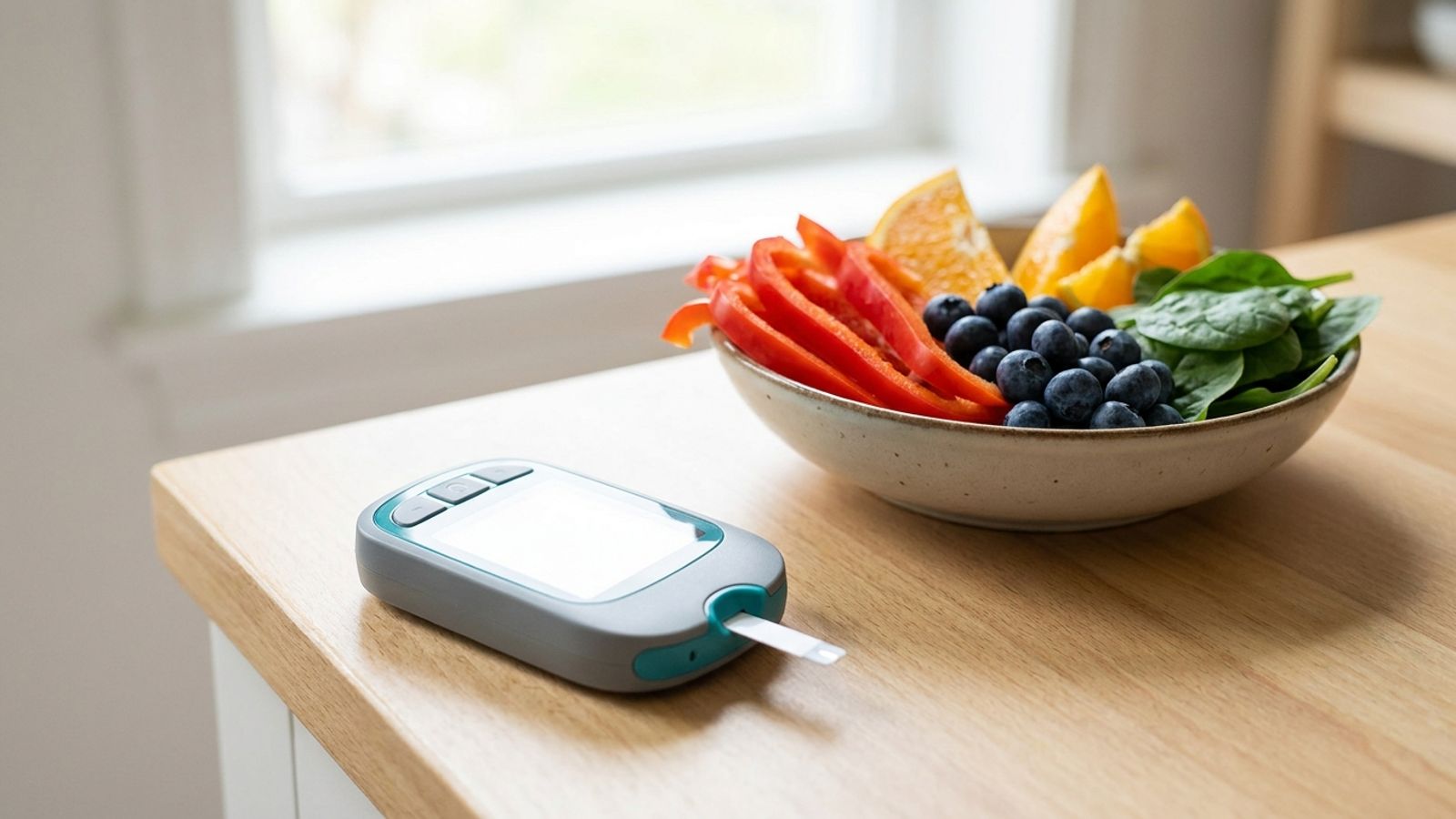
The early symptoms of diabetes are feeling very thirsty, peeing often, being unusually tired, blurry vision, slow-healing cuts and unexplained weight loss. Type 2 diabetes can develop for years with mild or no symptoms, so a blood test is the only way to know. If you already have diabetes, very high or very low blood sugar can become an emergency, and it helps to know the signs.
Common diabetes symptoms
- Strong thirst, and peeing more often, including at night
- Feeling tired or weak
- Blurry vision
- Cuts or sores that heal slowly
- Frequent infections, such as UTIs, yeast infections or skin infections
- Tingling or numbness in the hands or feet
- Unexplained weight loss, more common with type 1
Type 1 and type 2
Type 1 diabetes happens when the body stops making insulin. It often starts in children or young adults, and symptoms can come on quickly over days or weeks. Type 2 diabetes happens when the body doesn't use insulin well. It's far more common, usually develops slowly in adults, and is linked to family history, extra weight and inactivity. Prediabetes means blood sugar is higher than normal but not yet diabetes, and lifestyle changes can often keep it from progressing.
How diabetes is diagnosed
A blood test is needed. An A1C test shows your average blood sugar over the past two to three months and doesn't require fasting. A fasting glucose test or a glucose tolerance test may also be used. Our post on common blood tests explains them. A finger-stick blood sugar check can be done during an urgent care visit, and our annual physical post covers screening if you don't have a regular doctor.
Signs of high blood sugar
- Extreme thirst and peeing a lot
- Headache, blurry vision and tiredness
- In more serious cases: nausea, vomiting, belly pain, fruity-smelling breath, fast breathing and confusion. This can be diabetic ketoacidosis, an emergency.
Signs of low blood sugar
- Shakiness, sweating and a fast heartbeat
- Hunger, irritability or anxiety
- Dizziness, headache or blurry vision
- Confusion, slurred speech or acting strangely
If you have diabetes and feel low, check your blood sugar if you can. If it's low, have 15 grams of fast-acting sugar, such as 4 ounces of juice or glucose tablets, and recheck in 15 minutes.
When to get seen
Come in if you have symptoms of diabetes and haven't been tested, if you're having trouble keeping blood sugar in range, or if you have diabetes and a new infection, such as a skin infection, UTI or foot sore. At an AfterOurs clinic, a standard self-pay visit is $175, and a self-pay in-clinic visit never costs more than $330. We contract with all major commercial and government plans, including Colorado Medicaid and Medicare. See our in-clinic lab tests page and the cost and insurance page.
Call 911 or go to the ER if someone with diabetes is confused, very drowsy, passes out or has a seizure; if low blood sugar doesn't improve after treatment; or if there's vomiting, belly pain, fruity breath, fast breathing or a blood sugar meter reading "HI". Don't give food or drink to someone who can't swallow safely.
Where to find us
Four clinics across metro Denver, all ages welcome, se habla español:
- Hampden (Southeast Denver): 8 AM–11 PM daily
- Littleton: 8 AM–11 PM daily
- Thornton: 8 AM–11 PM daily
- Highlands: Mon–Fri 5–11 PM, Sat–Sun 8 AM–11 PM
Walk in, or book online.
Medically reviewed by Peter Martinuzzi, MD
This article is general health information, not medical advice for your situation. If you are worried, come in or book a telehealth visit — and if it is an emergency, call 911.