
Giardia in Colorado: Diarrhea After Hiking or Camping, Testing, and Treatment
Giardia is a parasite in untreated stream and lake water that causes diarrhea, gas and cramps a week or two later. Here's how it's diagnosed, treated and prevented.
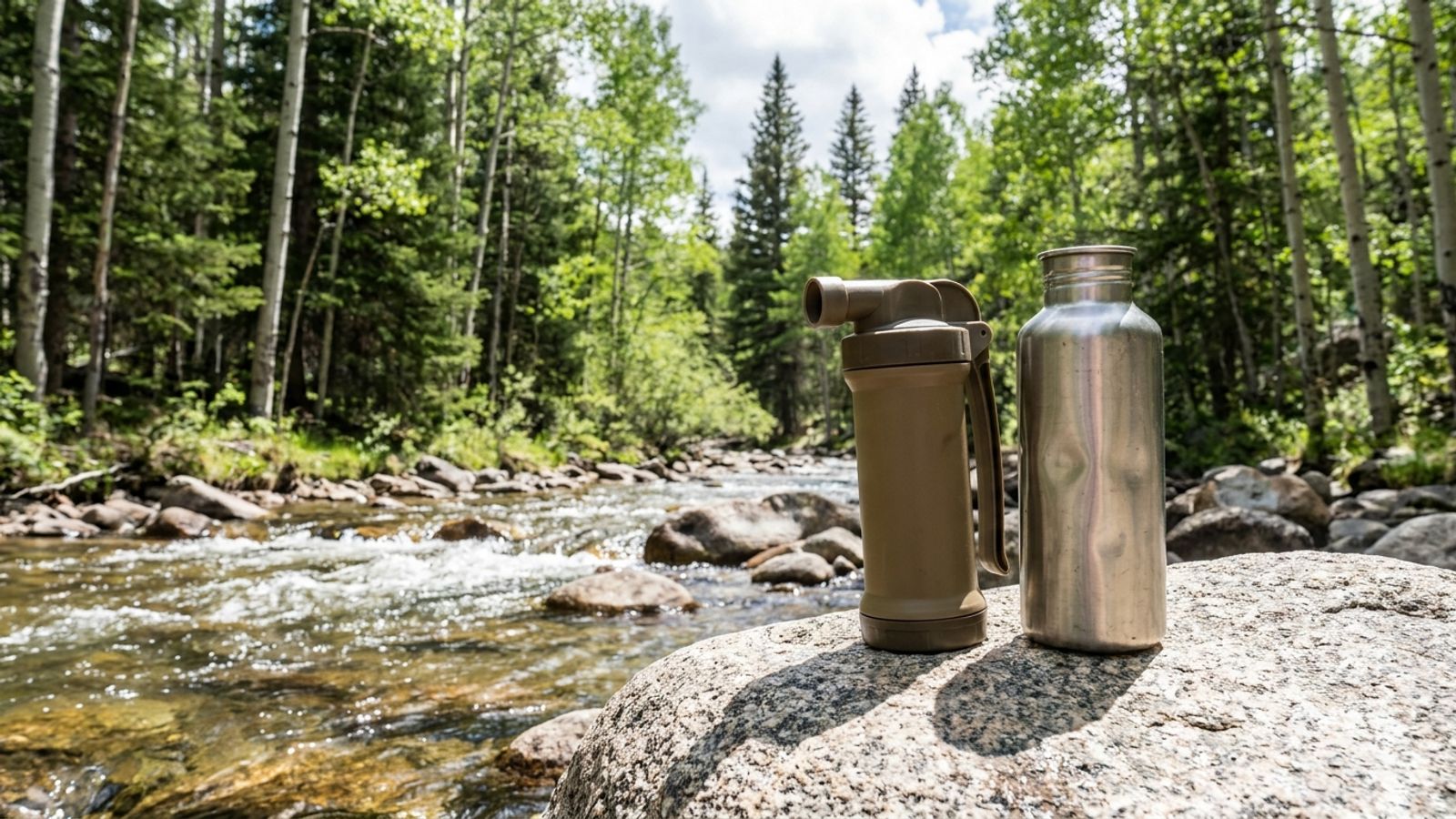
Giardia is a microscopic parasite found in streams, rivers and lakes, including in Colorado's backcountry, and it's one of the most common causes of diarrhea after hiking or camping. Symptoms usually start one to two weeks after drinking untreated water: watery or greasy, foul-smelling diarrhea, gas, bloating, cramps and nausea, sometimes lasting weeks. A stool test confirms it, and prescription medicine clears it. Filtering, boiling or treating backcountry water prevents it.
How people catch giardia
- Drinking untreated water from streams, rivers or lakes, even clear, cold mountain water
- Swallowing water while swimming in lakes, rivers or pools
- Contact with someone who has it, such as changing diapers, especially in childcare
- Less often, food or contact with infected animals
Giardia symptoms
- Watery diarrhea, or greasy, foul-smelling stools that float
- Gas, bloating and burping
- Stomach cramps
- Nausea
- Tiredness and loss of appetite
- Weight loss if it goes on for weeks
Some people have no symptoms but can still spread it.
How it's diagnosed
A stool sample is tested for the parasite. More than one sample may be needed. It helps to tell the clinician about recent hiking, camping, swimming, travel or childcare exposure, because giardia's delayed start makes the link easy to miss.
Treatment
Prescription medicine usually clears the infection within days. While you recover:
- Drink plenty of fluids, ideally an oral rehydration solution
- Avoid dairy for a while, since giardia can cause temporary lactose intolerance
- Wash hands carefully, and don't swim in pools or lakes until two weeks after diarrhea stops
Making backcountry water safe
- Boil water at a rolling boil for at least one minute, or three minutes at elevations above 6,500 feet
- Filter with a filter rated to remove protozoa (1 micron or smaller)
- Treat with chlorine dioxide tablets, following the label
- Don't drink straight from streams, however clean they look
When to get seen
Come in for diarrhea lasting more than a few days, especially after hiking, camping, swimming or travel, or greasy stools, weight loss or ongoing bloating. At an AfterOurs clinic, a standard self-pay visit is $175, and a self-pay in-clinic visit never costs more than $330. We contract with all major commercial and government plans, including Colorado Medicaid and Medicare. See our stomach bug page and the cost and insurance page. Our post on nausea, vomiting and what to drink covers rehydrating.
Go to the ER if you have signs of serious dehydration (dizziness, confusion, very little urine), bloody or black stools, a high fever, severe belly pain, or diarrhea in a baby or older adult who is getting weak or not drinking.
Where to find us
Four clinics across metro Denver, all ages welcome, se habla español:
- Hampden (Southeast Denver): 8 AM–11 PM daily
- Littleton: 8 AM–11 PM daily
- Thornton: 8 AM–11 PM daily
- Highlands: Mon–Fri 5–11 PM, Sat–Sun 8 AM–11 PM
Walk in, or book online.
Medically reviewed by Peter Martinuzzi, MD
This article is general health information, not medical advice for your situation. If you are worried, come in or book a telehealth visit — and if it is an emergency, call 911.