
Hangover: What Actually Helps, Why Altitude Makes It Worse, and the Signs of Alcohol Poisoning
There's no cure for a hangover except time, but some things help. Here's what works, why Denver's altitude makes it worse, and the signs of alcohol poisoning.
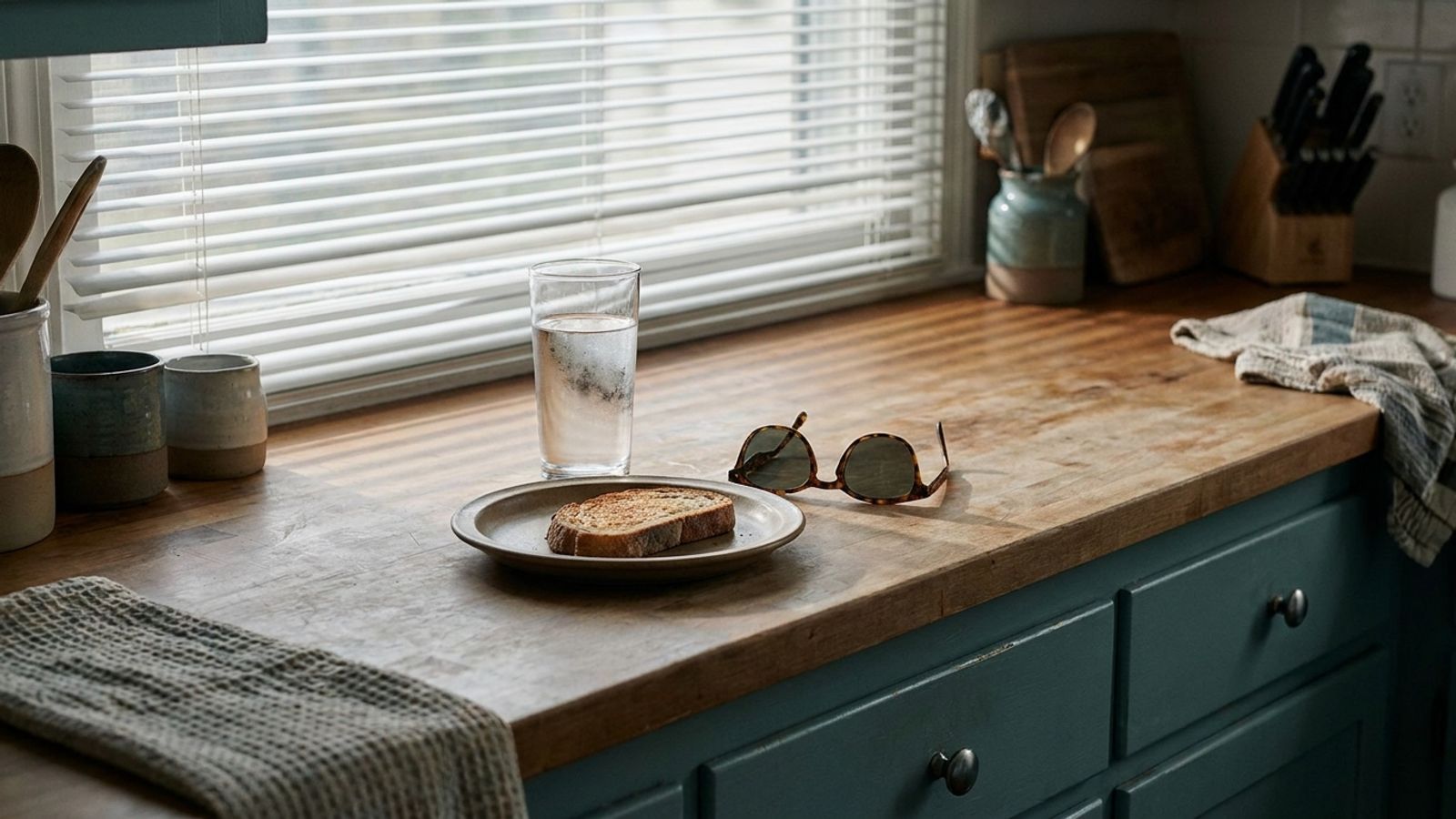
A hangover is the headache, nausea, tiredness, thirst and sensitivity to light and sound that can follow drinking, usually peaking the next morning when blood alcohol falls back to zero. Nothing cures it except time, usually within 24 hours, but fluids, food, sleep and a pain reliever can help. At Denver's altitude, alcohol can feel stronger and dehydration comes faster. Confusion, vomiting that won't stop, slow or irregular breathing, or being hard to wake are signs of alcohol poisoning: call 911.
Why hangovers happen
- Dehydration: alcohol makes you pee more
- Poor sleep: alcohol disrupts deep sleep
- Stomach irritation, causing nausea and stomach pain
- Inflammation and byproducts of alcohol breaking down
- Low blood sugar
- Congeners in darker drinks like whiskey and red wine, which can make hangovers worse
Why altitude makes it worse
Visitors, and anyone who has just come down from the mountains, often find alcohol hits harder at elevation. Dry air and altitude both dehydrate you, and altitude sickness causes headache and nausea that can overlap with a hangover. Our post on altitude sickness explains the difference.
What helps
- Fluids: water, an oral rehydration drink or broth, sipped steadily
- Food: bland carbohydrates like toast, crackers or rice, and eggs, once your stomach settles
- Sleep
- A pain reliever: ibuprofen or naproxen for headache, if they're safe for your stomach. Avoid acetaminophen while alcohol is still in your system, because together they're hard on the liver.
- Time
What doesn't help
- More alcohol ("hair of the dog") only delays the hangover
- Coffee may help a headache but can dehydrate you further and upset the stomach
- Greasy food the next morning doesn't soak up alcohol that's already absorbed
Preventing a hangover
- Eat before and while drinking
- Alternate each drink with a glass of water
- Pace yourself: about one standard drink an hour
- Drink less at altitude, especially in your first days in Colorado
When a hangover needs a visit
Come in if vomiting won't stop, you can't keep fluids down, you're dizzy when you stand, or you aren't peeing. A clinician can give IV fluids and anti-nausea medicine. See our IV hydration page and our post on nausea, vomiting and what to drink. At an AfterOurs clinic, a standard self-pay visit is $175, and a self-pay in-clinic visit never costs more than $330. We contract with all major commercial and government plans, including Colorado Medicaid and Medicare. See the cost and insurance page.
Call 911 for possible alcohol poisoning if someone is confused or can't be woken, is vomiting while not fully awake, has slow breathing (fewer than 8 breaths a minute) or long gaps between breaths, has a seizure, or has pale, bluish, cold or clammy skin. Don't leave them alone, roll them onto their side, and don't let them "sleep it off."
Where to find us
Four clinics across metro Denver, all ages welcome, se habla español:
- Hampden (Southeast Denver): 8 AM–11 PM daily
- Littleton: 8 AM–11 PM daily
- Thornton: 8 AM–11 PM daily
- Highlands: Mon–Fri 5–11 PM, Sat–Sun 8 AM–11 PM
Walk in, or book online.
Medically reviewed by Peter Martinuzzi, MD
This article is general health information, not medical advice for your situation. If you are worried, come in or book a telehealth visit — and if it is an emergency, call 911.