
Blood Pressure: What's Normal, What the Numbers Mean, and When a High Reading Is Urgent
A plain guide to blood pressure numbers, how to measure them right at home, and the symptoms that turn a high reading into an emergency.
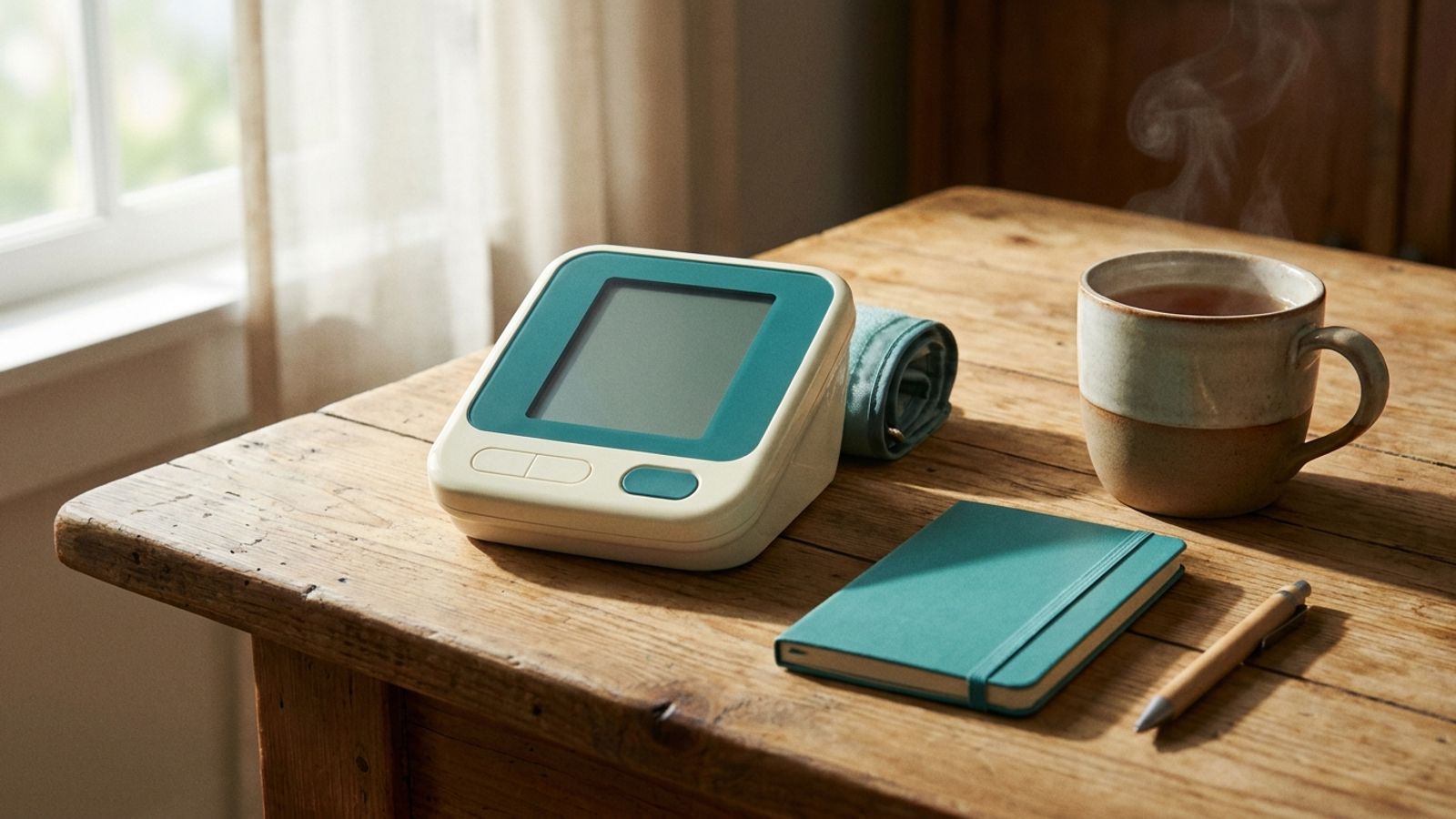
Normal blood pressure for adults is below 120/80. A top number of 120 to 129 with a bottom number under 80 is "elevated," and 130/80 or higher is high blood pressure (hypertension). High blood pressure usually causes no symptoms, which is why checking it matters. A reading of 180/120 or higher is a hypertensive crisis: if it comes with chest pain, shortness of breath, a severe headache, confusion, weakness or vision changes, call 911.
What the numbers mean
The top number (systolic) is the pressure when your heart beats. The bottom number (diastolic) is the pressure between beats. The American Heart Association ranges for adults:
- Normal: under 120 and under 80
- Elevated: 120 to 129 and under 80
- High blood pressure, stage 1: 130 to 139, or 80 to 89
- High blood pressure, stage 2: 140 or higher, or 90 or higher
- Hypertensive crisis: higher than 180, and/or higher than 120
Only one number needs to be in a range to count. A single high reading isn't a diagnosis; it's confirmed with several readings over time.
Does high blood pressure cause symptoms?
Usually not, even when it's quite high. That's why it's called a "silent" condition. Over years, untreated high blood pressure raises the risk of heart attack, stroke, kidney disease and vision loss. Headaches, nosebleeds and dizziness are sometimes blamed on it, but they're more likely at very high levels.
Taking an accurate reading at home
- Sit quietly for 5 minutes first, with your back supported and feet flat on the floor
- Rest your arm on a table at heart level, with the cuff on bare skin
- Don't smoke, exercise or have caffeine for 30 minutes beforehand, and empty your bladder
- Don't talk during the reading
- Take two readings a minute apart, morning and evening, and write them down
- Use a cuff that fits your arm; one that's too small gives readings that are too high
If you get a high reading
- Under 180/120 with no symptoms: recheck after resting. Share your readings with a primary care provider, or get seen within a few days if they stay high.
- 180/120 or higher with no symptoms: rest for 5 minutes and recheck. If it's still that high, get seen the same day.
- 180/120 or higher with symptoms: call 911.
Low blood pressure
Low blood pressure, generally under 90/60, isn't a problem for many people who feel fine. It needs attention if it causes dizziness or fainting, especially on standing, or if it comes on with dehydration, bleeding, infection or a new medicine.
What urgent care can do
A clinician can recheck your blood pressure, look for symptoms of anything urgent, do an EKG if needed, and in some cases start or adjust medicine until you can follow up with a primary care provider. Our post on getting a physical without a primary care doctor covers routine screening.
At an AfterOurs clinic, a standard self-pay visit is $175, and a self-pay in-clinic visit never costs more than $330. We contract with all major commercial and government plans, including Colorado Medicaid and Medicare. See our high blood pressure page and the cost and insurance page.
Call 911 if a reading of 180/120 or higher comes with chest pain, shortness of breath, back pain, a severe headache, confusion, vision changes, numbness or weakness, or trouble speaking. Also call 911 for low blood pressure with fainting, confusion, cold and clammy skin, or fast, shallow breathing.
Where to find us
Four clinics across metro Denver, all ages welcome, se habla español:
- Hampden (Southeast Denver): 8 AM–11 PM daily
- Littleton: 8 AM–11 PM daily
- Thornton: 8 AM–11 PM daily
- Highlands: Mon–Fri 5–11 PM, Sat–Sun 8 AM–11 PM
Walk in, or book online.
Medically reviewed by Peter Martinuzzi, MD
This article is general health information, not medical advice for your situation. If you are worried, come in or book a telehealth visit — and if it is an emergency, call 911.