
Rapid Strep Test: How It Works and When to Get One
How a rapid strep test works, the signs of strep throat that make testing worthwhile, how accurate the result is, and how strep throat is treated.
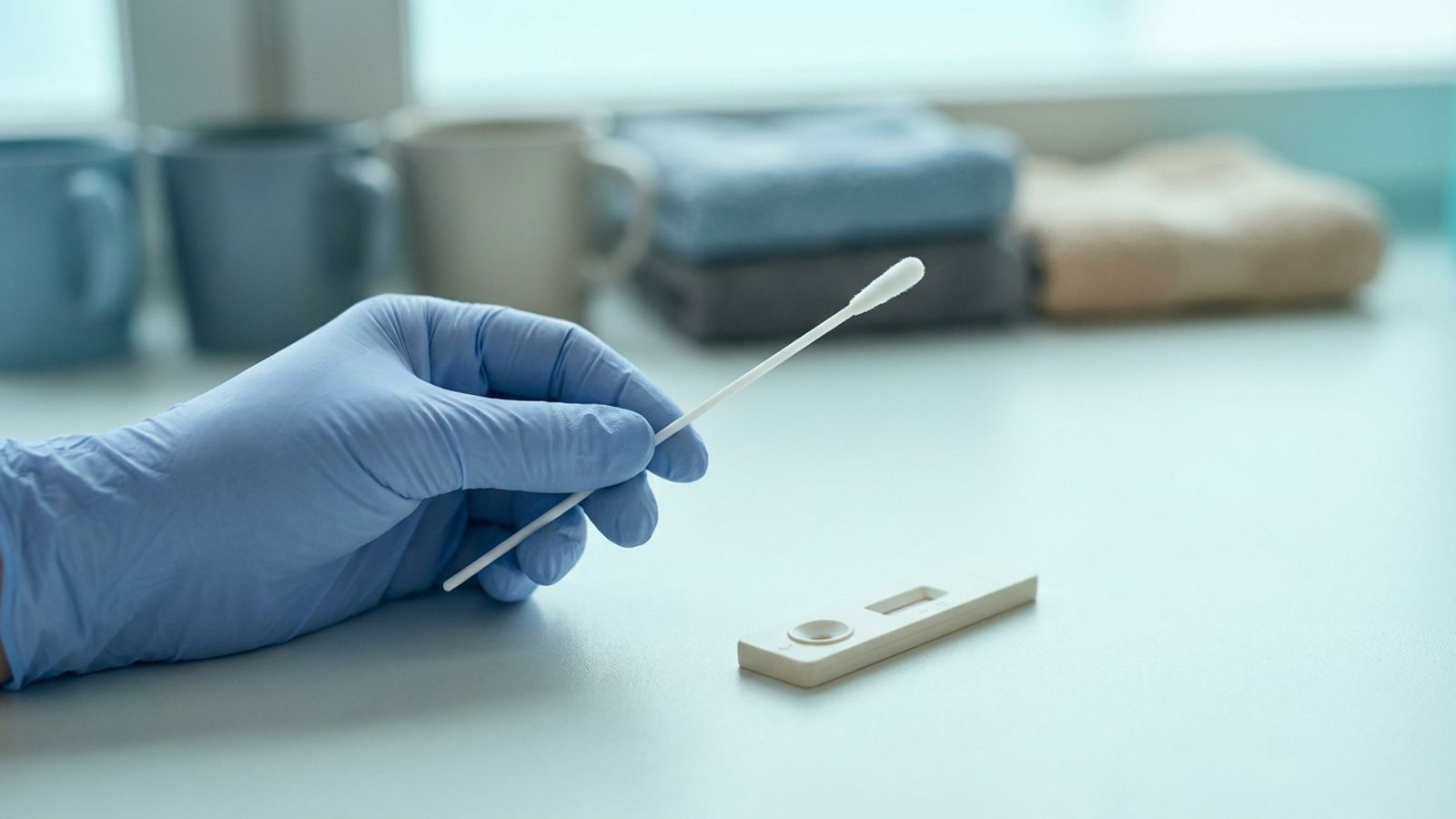
A rapid strep test is a quick throat swab that checks for group A strep, the bacteria behind strep throat. The swab takes a few seconds, and at AfterOurs the result comes back during your visit, so you leave knowing whether it's strep and what to do next. It's worth getting when a sore throat comes on suddenly with fever and painful swallowing, but no cough or runny nose.
What are the signs of strep throat?
Most sore throats are caused by viruses, and those get better on their own. Strep is a bacterial infection, and it tends to look a little different. Signs that point toward strep:
- A sore throat that starts suddenly and hurts a lot
- Pain when swallowing
- Fever
- Red, swollen tonsils, sometimes with white patches or streaks
- Swollen, tender glands in the front of the neck
- Tiny red spots on the roof of the mouth
- In children, headache, stomach ache, nausea or vomiting along with the sore throat
Signs that point toward a virus instead: cough, runny nose, hoarse voice and red, irritated eyes. Strep is most common in school-age kids and teens, but adults get it too, especially parents and people who work with children.
You can't tell for sure by looking, even with a flashlight. That's what the test is for.
How does a rapid strep test work?
A clinician gently rubs a long cotton swab over the back of your throat and tonsils. It can make you gag for a second, but it's over quickly and doesn't hurt. The swab is tested in the clinic for proteins from strep bacteria.
At AfterOurs, rapid strep testing is done in the exam room as part of a sick visit, and results are back during the visit. A positive result means strep is very likely the cause.
Can a rapid strep test be wrong?
A positive rapid test is reliable. A negative one is good but not perfect: it can occasionally miss strep. For that reason, when the test is negative but symptoms strongly suggest strep, especially in children and teens, a clinician may recommend a throat culture, which takes longer but is more sensitive. Your clinician will talk through whether that makes sense for you.
When should you get tested?
Come in the same day if a sore throat is new and getting worse, comes with a fever, or you need a note for work or school. Testing is especially worth it when:
- The sore throat came on fast and there's no cough or runny nose
- Someone at home or school was recently diagnosed with strep
- A child has a sore throat with fever, stomach ache or a sandpaper-like rash
- A sore throat hasn't improved after several days
Testing isn't usually helpful for a sore throat that's mostly a cold: stuffy nose, cough and a scratchy throat. A clinician can examine you and decide whether a strep test, or a flu or COVID-19 test, will actually help.
How is strep throat treated?
Strep throat is treated with antibiotics when testing confirms it. Treatment helps you feel better sooner, cuts down how long you can spread it, and lowers the chance of rare but serious complications. A clinician can examine you and discuss treatment, and send any prescription to your pharmacy.
A few things that help at home while you recover:
- Finish the whole course of antibiotics, even once you feel better
- Rest, fluids, and soft or cold foods if swallowing hurts
- Over-the-counter pain relievers, used as the label directs
- Replace your toothbrush once you've been on antibiotics for a day or two
People with strep are generally considered no longer contagious after at least 12 hours on antibiotics and once the fever is gone. Check with your clinician before heading back to school or work.
If it isn't strep, antibiotics won't help a viral sore throat. Your clinician can still help with symptom relief and check for other causes, such as mono, when the picture doesn't fit.
Call 911 or go to the ER if there's trouble breathing, drooling or being unable to swallow saliva, trouble opening the mouth fully, a muffled "hot potato" voice, severe swelling on one side of the throat or neck, or a stiff neck with a high fever.
What does a strep test cost?
A rapid strep test is done as part of a sick visit. If you're paying yourself, an in-clinic visit starts at $175 self-pay including a rapid strep test, and the final tier depends on the care you receive. The cost and insurance page explains the tiers. With insurance, your plan sets your copay. We contract with all major commercial and government plans, including Colorado Medicaid and Medicare. We can't guarantee a commercial plan has us in network, and if you're out of network or your benefits are denied, we bill you at our self-pay rates.
For more on sore throats, see our strep throat and sore throat page.
Where to find us
Four clinics across metro Denver, all ages welcome, se habla español:
- Hampden (Southeast Denver): 8 AM–11 PM daily
- Littleton: 8 AM–11 PM daily
- Thornton: 8 AM–11 PM daily
- Highlands: Mon–Fri 5–11 PM, Sat–Sun 8 AM–11 PM
Walk in, or book online.
Medically reviewed by Peter Martinuzzi, MD
This article is general health information, not medical advice for your situation. If you are worried, come in or book a telehealth visit — and if it is an emergency, call 911.