
Tetanus Shot and Tdap: Who Needs One, and After What Kind of Cut
What Tdap is, how often adults need a tetanus booster, Tdap in pregnancy, and which cuts, punctures and bites mean you should get a tetanus shot now.
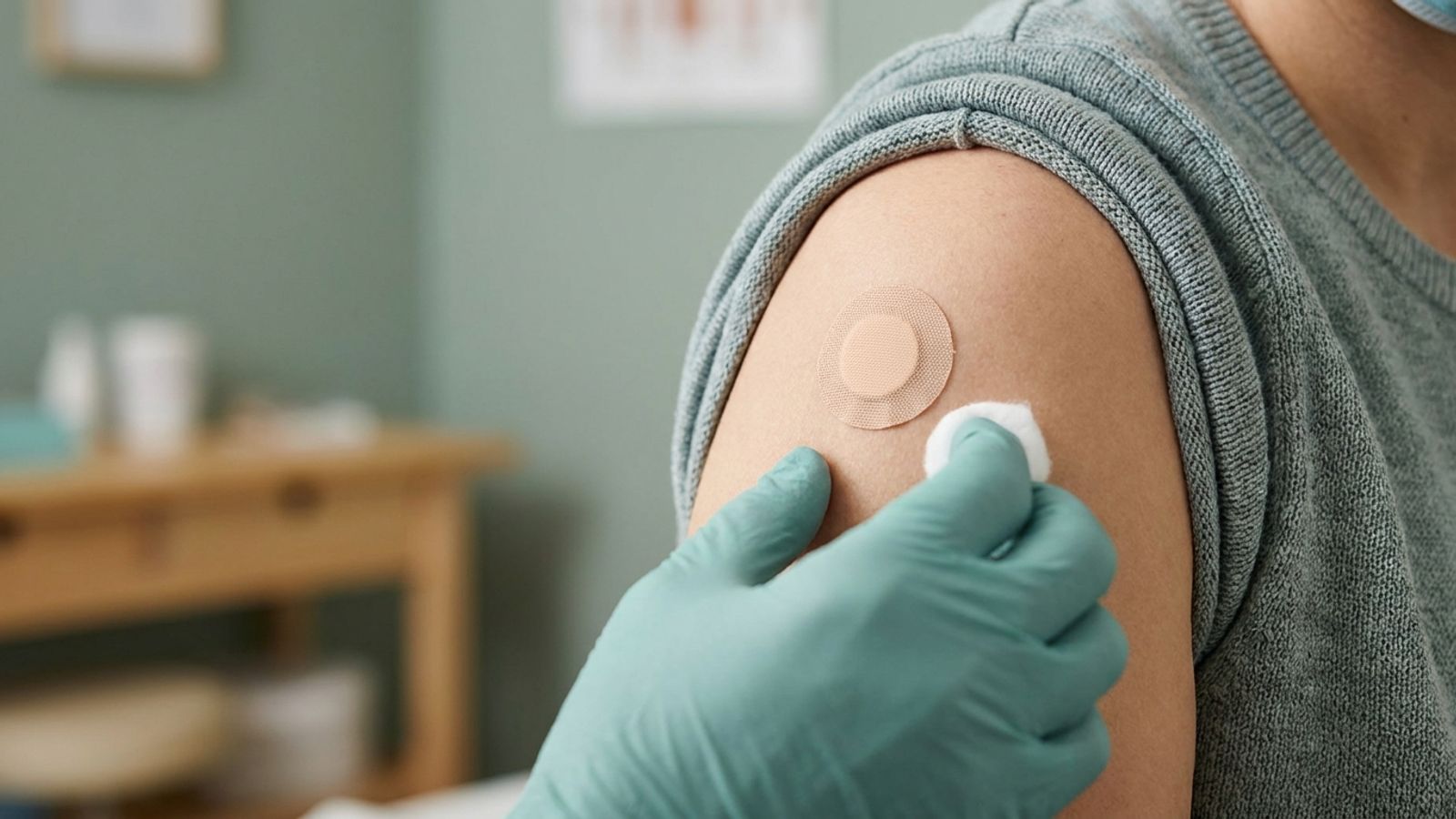
A tetanus shot protects against tetanus, a rare but serious infection that can follow a cut, puncture or bite. Most adults need a booster every 10 years, and sooner after a dirty or deep wound if it's been more than 5 years. Tdap is the version of the tetanus shot that also protects against diphtheria and whooping cough, and it's the one most teens, adults and pregnant people are advised to get.
What is Tdap?
Tdap is a combination vaccine that covers three bacterial infections:
- Tetanus (lockjaw): caused by bacteria found in soil, dust and animal waste that get into the body through a break in the skin. It causes painful muscle stiffness and spasms, often starting in the jaw.
- Diphtheria: a throat and airway infection that's now rare in the US because of vaccination.
- Pertussis (whooping cough): a highly contagious cough that can last for weeks in adults and can be life-threatening for babies.
Td is a similar vaccine that covers only tetanus and diphtheria. Young children get a different version, DTaP, as part of their routine shots.
Who needs a tetanus shot or Tdap?
Current US recommendations, in plain terms:
- Preteens: one dose of Tdap at age 11 or 12.
- Adults who have never had Tdap: one dose, at any age, then a Td or Tdap booster every 10 years.
- Everyone: a tetanus booster (Td or Tdap) every 10 years to keep protection up.
- Grandparents, caregivers and anyone around a new baby: being up to date on Tdap helps protect infants from whooping cough before they're old enough to be fully vaccinated.
If you don't remember when you last had one, you're not alone. Your old records, your primary care office or the Colorado Immunization Information System may have it. If you can't find out, a clinician can help you decide.
Tdap in pregnancy
Tdap is recommended during every pregnancy, ideally between 27 and 36 weeks. Antibodies pass to the baby and help protect them from whooping cough in the first months of life, before their own vaccines kick in. Most people get it from their OB or midwife at a prenatal visit, so ask them first.
After a cut: do you need a tetanus shot?
It depends on the wound and on when you last had a tetanus vaccine:
- Clean, minor cut or scrape: you need a booster if it's been 10 years or more since your last one.
- Dirty, deep or puncture wound, such as stepping on a nail, a cut contaminated with soil or rust, a burn, or an animal bite: you need a booster if it's been 5 years or more.
- You've never been fully vaccinated, or you don't know: see a clinician, who may recommend a booster and, for some wounds, additional protection.
The rust itself isn't what causes tetanus. The bacteria live in soil and dirt, which is why outdoor injuries and puncture wounds carry more risk. Getting a booster within a few days of the injury is best, so don't put it off.
Wash any wound well with clean water and mild soap, and keep it covered. If it's gaping or won't stop bleeding, see our guide to cuts and lacerations.
Getting a tetanus shot or Tdap at AfterOurs
If you only need the vaccine, you can come in for a Tdap / tetanus vaccine visit. It's a quick injection in the upper arm with a short observation period afterward. The Tdap visit is a flat fee of $100 self-pay. It's an immunization-only visit and doesn't include examining or treating an injury.
If you also have a wound that needs to be looked at, cleaned or closed, come in for an injury visit instead. When a clinician repairs a wound at AfterOurs, a tetanus update if needed is part of that visit.
Common side effects are mild: a sore, red or swollen arm, tiredness, headache or a low fever for a day or two. Tell the clinician if you've had a serious reaction to a tetanus, diphtheria or whooping cough vaccine before.
Call 911 or go to the ER if you have jaw cramping or trouble opening your mouth, stiffness or painful spasms in the neck, back or stomach muscles, or trouble swallowing or breathing after a wound; a wound that's bleeding heavily and won't stop with firm pressure; a deep puncture to the chest, abdomen, head or a joint; or, after any vaccine, swelling of the face or throat, hives with trouble breathing, or feeling faint.
Insurance
Many insurance plans cover routine vaccines. We contract with all major commercial and government plans, including Colorado Medicaid and Medicare. We can't guarantee a commercial plan has us in network, and if you're out of network or your benefits are denied, we bill you at our self-pay rates. See cost and insurance for all our self-pay prices.
Where to find us
Four clinics across metro Denver, all ages welcome, se habla español:
- Hampden (Southeast Denver): 8 AM–11 PM daily
- Littleton: 8 AM–11 PM daily
- Thornton: 8 AM–11 PM daily
- Highlands: Mon–Fri 5–11 PM, Sat–Sun 8 AM–11 PM
Walk in, or book online.
Medically reviewed by Peter Martinuzzi, MD
This article is general health information, not medical advice for your situation. If you are worried, come in or book a telehealth visit — and if it is an emergency, call 911.