
Asthma Flare: What to Do, When You Need a Breathing Treatment, and When It's the ER
Colds, smoke, cold air and allergies can all set off an asthma flare. Here's what to do, when a breathing treatment helps, and when it's an emergency.
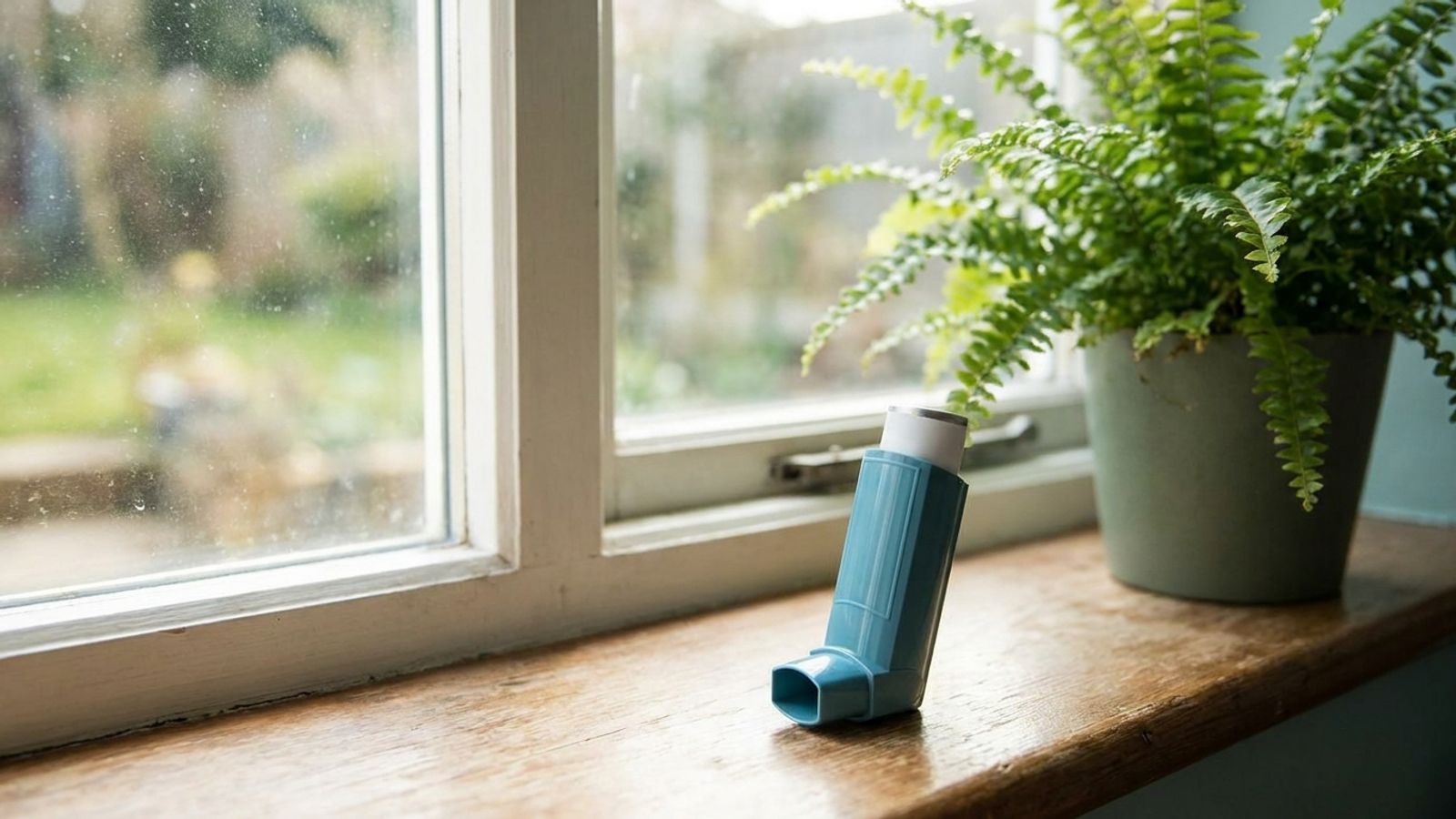
An asthma flare is when the airways tighten and swell, causing wheezing, coughing, chest tightness and shortness of breath. Many mild flares settle with your quick-relief (rescue) inhaler. If your inhaler isn't helping as much as usual, you're using it more than every four hours, or symptoms keep coming back, get seen the same day: a nebulizer breathing treatment and a short course of medicine can often get things under control. Severe trouble breathing is an emergency.
Signs of an asthma flare
- Wheezing or a whistling sound when you breathe
- Coughing, often worse at night or early morning
- Chest tightness or pressure
- Shortness of breath, or feeling like you can't get a full breath
- Needing your rescue inhaler more than usual
Common triggers
- Colds, flu, COVID and other respiratory infections
- Cold, dry air, which is common in Denver winters
- Wildfire smoke and poor air quality days
- Pollen, mold, dust and pet dander
- Exercise, especially in cold air
- Tobacco smoke and strong smells
What to do during a flare
- Use your quick-relief inhaler as your asthma action plan says, with a spacer if you have one
- Sit upright and try to breathe slowly
- Move away from the trigger, such as smoke or a pet
- If you're not better after your rescue doses, or need them again within a few hours, get seen
What happens at a visit
A clinician listens to your lungs, checks your oxygen level and may measure how well air moves out of your lungs. A nebulizer breathing treatment delivers medicine as a fine mist you breathe in over several minutes, and it often opens the airways quickly. You may also be prescribed a short course of steroid medicine and a refill or change to your inhalers. If a cold or bronchitis set things off, our post on bronchitis may help too.
Keeping asthma under control
- Take your daily controller medicine, if you have one, even when you feel well
- Keep your rescue inhaler with you and check that it isn't empty or expired
- Know your triggers and check air quality on smoky days
- Follow up with your regular provider if you're having flares more often
When to get seen
Come in the same day if your rescue inhaler isn't working as well as usual, you need it more than every four hours, symptoms wake you at night, or you've run out of medicine. At an AfterOurs clinic, a standard self-pay visit is $175, a visit with a breathing treatment is $250, and a self-pay in-clinic visit never costs more than $330. We contract with all major commercial and government plans, including Colorado Medicaid and Medicare. See our asthma flare page and the cost and insurance page.
Call 911 if you're struggling to breathe or speak in full sentences, your lips or fingernails look gray or blue, the skin between your ribs or at your neck pulls in with each breath, your rescue inhaler isn't helping at all, or you're confused or very drowsy.
Where to find us
Four clinics across metro Denver, all ages welcome, se habla español:
- Hampden (Southeast Denver): 8 AM–11 PM daily
- Littleton: 8 AM–11 PM daily
- Thornton: 8 AM–11 PM daily
- Highlands: Mon–Fri 5–11 PM, Sat–Sun 8 AM–11 PM
Walk in, or book online.
Medically reviewed by Peter Martinuzzi, MD
This article is general health information, not medical advice for your situation. If you are worried, come in or book a telehealth visit — and if it is an emergency, call 911.