
Canker Sores: Causes, Fast Relief, and When a Mouth Ulcer Needs a Visit
Canker sores are painful but harmless mouth ulcers that usually heal in one to two weeks. Here's what helps, how they differ from cold sores, and when to get one checked.
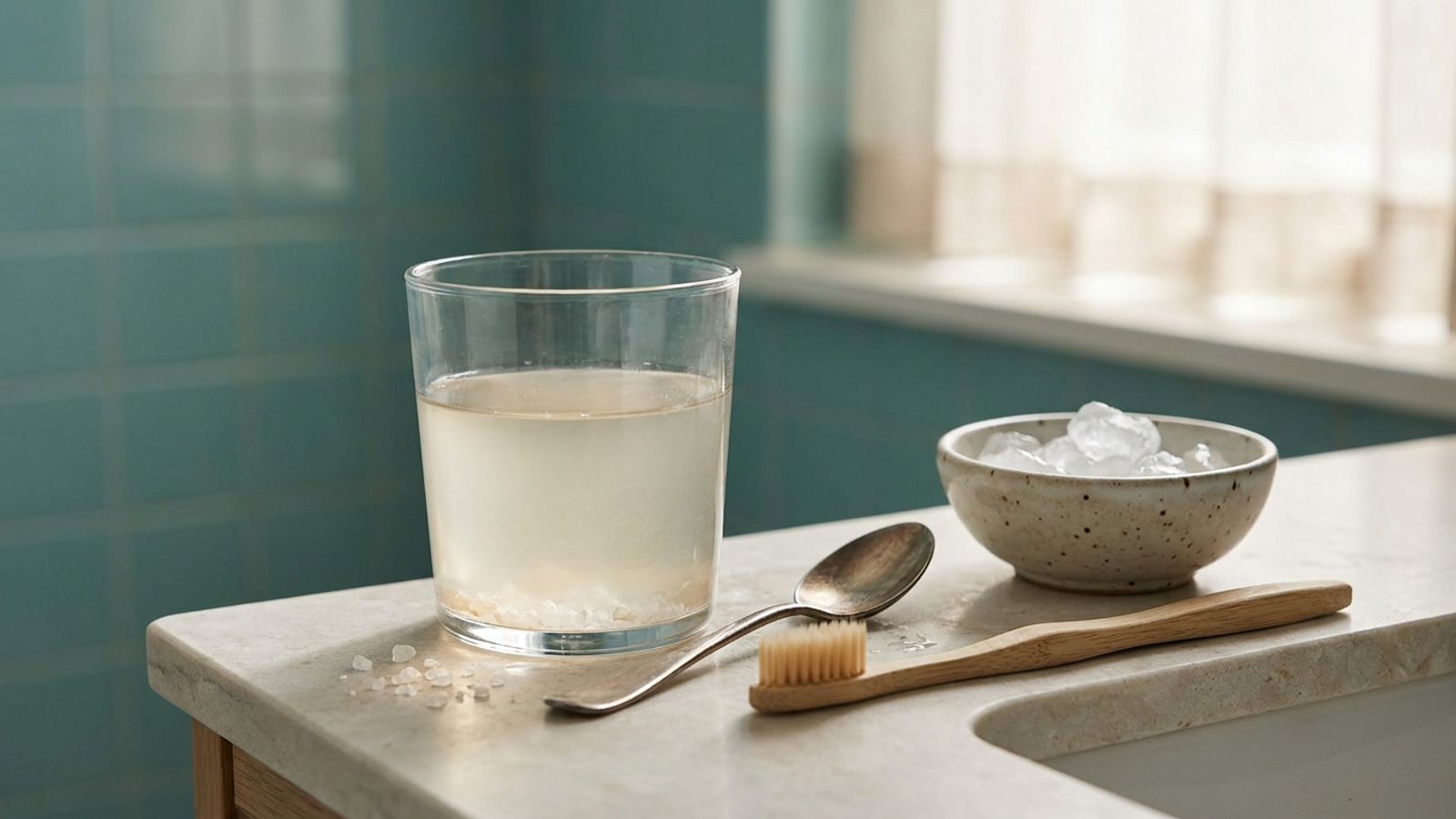
Canker sores are small, painful ulcers inside the mouth, usually round with a white or yellow center and a red border, on the inner cheeks, lips, tongue or gums. They aren't contagious and usually heal on their own in one to two weeks. Salt-water rinses, avoiding spicy and acidic foods, and over-the-counter numbing gels help. A sore that lasts more than two weeks, is unusually large, keeps coming back, or comes with fever should be checked.
Canker sore or cold sore?
- Canker sores are inside the mouth, aren't caused by a virus and aren't contagious.
- Cold sores are blisters on or around the outside of the lips, are caused by the herpes simplex virus and are contagious. Our cold sore post covers those.
Common triggers
- A small injury: biting your cheek, braces, a sharp tooth, or brushing too hard
- Stress and lack of sleep
- Acidic or spicy foods, such as citrus, tomatoes and pineapple
- Toothpaste with sodium lauryl sulfate
- Hormone changes around a period
- Low iron, vitamin B12 or folate
- Sometimes conditions like celiac disease or inflammatory bowel disease
What helps
- Rinse with warm salt water or a baking soda rinse a few times a day
- Use an over-the-counter numbing gel or protective paste on the sore
- Avoid spicy, salty, acidic and crunchy foods until it heals
- Use a soft toothbrush and a toothpaste without sodium lauryl sulfate
- Take acetaminophen or ibuprofen for pain, if they're safe for you
- Sip cold water or let ice chips melt on the sore
When to get seen
Come in, or start with a telehealth visit, if a sore is larger than about half an inch, lasts more than two weeks, keeps coming back, makes it hard to eat or drink, or comes with a fever, or if you have many sores at once. A clinician can prescribe a stronger rinse or gel, and check for causes like a vitamin deficiency or infection. A sore that doesn't heal after two to three weeks should be looked at by a dentist or doctor to rule out anything more serious. In young children, mouth sores with fever may be hand, foot and mouth disease.
At an AfterOurs clinic, a standard self-pay visit is $175, and a self-pay in-clinic visit never costs more than $330. Telehealth is $75. We contract with all major commercial and government plans, including Colorado Medicaid and Medicare. See the cost and insurance page.
Go to the ER if mouth sores are so painful that you or your child can't drink and are showing signs of dehydration, such as no urine for 8 hours; if there's swelling of the face, tongue or throat; trouble breathing or swallowing; or a high fever with a widespread rash or blistering of the skin, eyes or lips.
Where to find us
Four clinics across metro Denver, all ages welcome, se habla español:
- Hampden (Southeast Denver): 8 AM–11 PM daily
- Littleton: 8 AM–11 PM daily
- Thornton: 8 AM–11 PM daily
- Highlands: Mon–Fri 5–11 PM, Sat–Sun 8 AM–11 PM
Walk in, or book online.
Medically reviewed by Peter Martinuzzi, MD
This article is general health information, not medical advice for your situation. If you are worried, come in or book a telehealth visit — and if it is an emergency, call 911.