
Infected Cut or Wound? Signs of Infection and When to Get It Checked
How to tell normal healing from an infected cut, how to care for a wound at home, and when redness, swelling or pus means it's time to see a clinician.
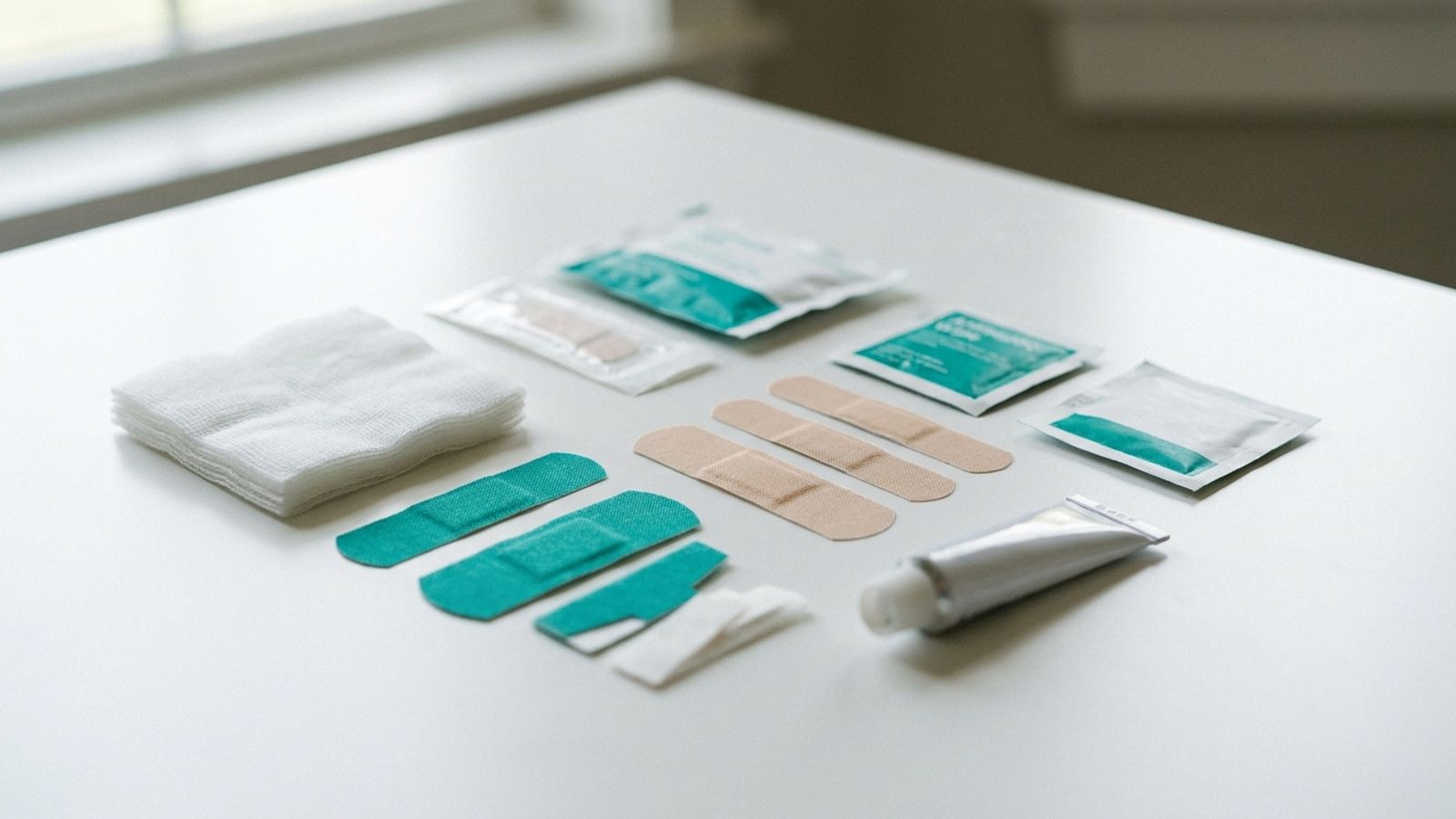
A cut that's healing normally is a little pink, sore and swollen for the first day or two, then steadily gets better. An infected cut does the opposite: after the first couple of days, the redness spreads, the swelling and pain increase, the skin feels warm, or pus starts to drain. If your wound is getting worse instead of better, have a clinician look at it.
What normal healing looks like
Right after a cut or scrape, it's normal to see:
- A thin rim of pink or red right along the edges
- Mild swelling and tenderness
- A little clear or pale yellow fluid in the first day or so
- A scab forming, and itching as it heals
The key is direction. Each day should look and feel a bit better than the last.
Signs of an infected cut or wound
Infection usually shows up one to three days after the injury, though it can take longer. Watch for:
- Redness that spreads outward from the wound, or gets darker
- Swelling that increases after the second day
- Pain that's getting worse rather than better
- Skin around the wound that feels warm or hot
- Pus: thick, cloudy, yellow, green or bad-smelling drainage
- A wound that reopens or stops healing
- Fever, chills or feeling unwell
- Red streaks running from the wound toward the body
Spreading redness and warmth can mean the infection has moved into the surrounding skin (cellulitis). A painful, swollen lump that feels soft in the middle can be a pocket of pus (an abscess). Both need to be seen. Our abscess and skin infection page covers those.
Which wounds are more likely to get infected?
- Animal and human bites
- Puncture wounds, like stepping on a nail
- Cuts with dirt, gravel, rust or debris in them
- Wounds that weren't cleaned soon after the injury
- Cuts on the hands or feet
- Anyone with diabetes, poor circulation or a weakened immune system
These are worth a same-day look even before signs of infection appear.
How to care for a cut at home
Good care in the first hours lowers the chance of infection:
- Wash your hands, then press on the cut with a clean cloth to stop bleeding.
- Rinse the wound under clean running water and wash around it with mild soap.
- Remove small bits of dirt you can see; leave anything deeply embedded for a clinician.
- Cover it with a clean bandage, and change it daily or when it gets wet or dirty.
- Keep an eye on it for the next few days.
Repeatedly pouring hydrogen peroxide or rubbing alcohol on a wound can damage healing tissue; clean water and soap are enough.
Does it need stitches?
A cut that gapes open, keeps bleeding after several minutes of firm pressure, is deep, or is on the face or a joint may need closing. It should ideally be closed within a few hours of the injury, and a cleaned, closed wound is less likely to get infected. See our laceration repair page and cuts and lacerations page for what that involves.
What about tetanus?
Tetanus is a serious infection that can enter through cuts and punctures, especially dirty ones. If you can't remember your last tetanus shot, or it's been more than five years and the wound is dirty or deep, ask about a booster. Learn more on our Tdap vaccine page.
What happens at a visit
A clinician looks at the wound, asks how and when it happened, and checks for signs that the infection is spreading. Depending on what they find, care can include cleaning the wound, opening and draining it if pus has collected, sending a sample for a culture, and discussing whether an antibiotic makes sense. They'll tell you what to watch for and when to come back.
Self-pay, a standard visit is $175. A visit that includes a procedure, such as draining an abscess or placing stitches, is $330, the most a self-pay in-clinic visit costs. We contract with all major commercial and government plans, including Colorado Medicaid and Medicare. We can't guarantee a particular commercial plan has us in network; if it's out of network or denies the visit, we drop you to the self-pay rates. See our cost and insurance page.
Call 911 or go to the ER if red streaks or redness are spreading quickly, you have a high fever with shaking chills, you feel confused or very unwell, the pain is severe and out of proportion to how the wound looks, the skin is turning dark or blistering, or the infection is near your eye or over a joint. Go to the ER as well for bleeding that won't stop with 10 minutes of firm pressure.
Where to find us
Four clinics across metro Denver, all ages welcome, se habla español:
- Hampden (Southeast Denver): 8 AM–11 PM daily
- Littleton: 8 AM–11 PM daily
- Thornton: 8 AM–11 PM daily
- Highlands: Mon–Fri 5–11 PM, Sat–Sun 8 AM–11 PM
Walk in, or book online.
Medically reviewed by Peter Martinuzzi, MD
This article is general health information, not medical advice for your situation. If you are worried, come in or book a telehealth visit — and if it is an emergency, call 911.