
Heat Rash in Babies and Adults: What It Looks Like, What Helps, and When to Worry
Heat rash happens when sweat gets trapped under the skin, causing tiny itchy or prickly bumps. Here's what helps, and how to tell it from rashes that need a visit.
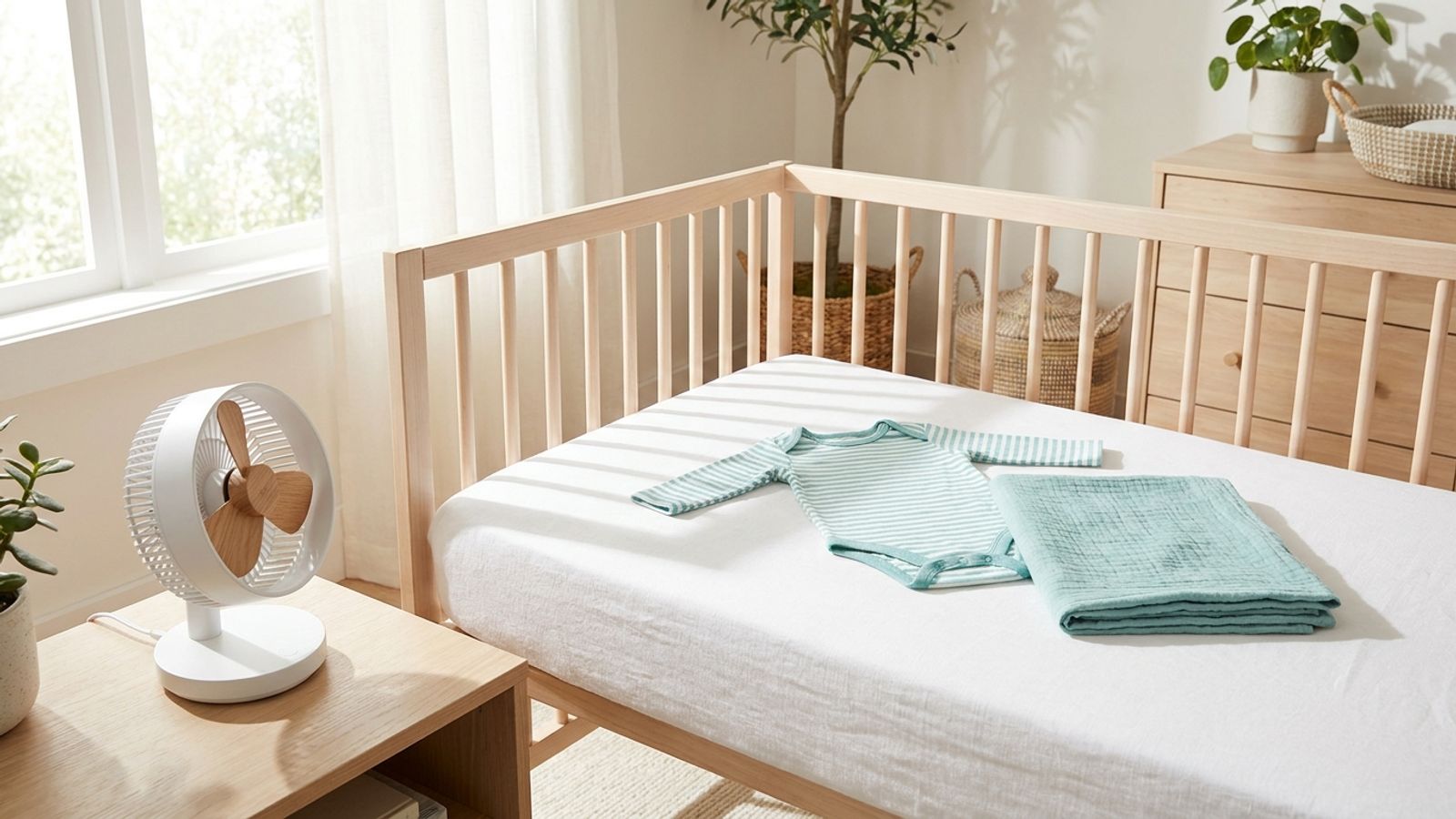
Heat rash (miliaria, or prickly heat) happens when sweat ducts get blocked and sweat is trapped under the skin, causing clusters of tiny red or clear bumps that itch or prickle. It's common in babies and young children, and in adults during hot weather, exercise or when skin is covered. It usually clears up within a few days once the skin cools down and stays dry. A rash with a fever, or one that's spreading, painful or oozing, should be seen.
What heat rash looks like
- Clusters of tiny red bumps or small clear, fluid-filled blisters
- A prickly, stinging or itchy feeling
- Common spots: neck, chest, upper back, armpits, elbow creases, groin, and under the breasts
- In babies: the neck, shoulders, chest, skin folds and diaper area
On darker skin, the bumps may be harder to see and look skin-colored, gray or slightly darker.
Why it happens
- Hot, humid weather, or overheated indoor spaces
- Exercise or heavy sweating
- Tight or synthetic clothing that traps heat
- Bundling babies in too many layers, or heavy creams that block the skin
- Fever, or lying in bed for a long time
In Colorado, it's common in summer and at hot springs, and also in winter when babies are overdressed indoors.
What helps
- Cool the skin: move to a cooler, air-conditioned space or use a fan
- Take a cool bath or shower, then let skin air-dry
- Wear loose, light cotton clothing, and dress babies in one more layer than you're wearing, not three
- Skip heavy creams and ointments on the rash, which can block sweat ducts further
- Calamine lotion can ease itching in adults and older children
- Try not to scratch
Most heat rash clears within two to three days.
Heat rash or something else?
Some rashes look similar but need different treatment: hives, viral rashes, impetigo, folliculitis, and fungal infections. Our rash guide covers the common ones. Heat rash can also be a sign of overheating; our post on heat exhaustion and heat stroke explains the warning signs.
When to get seen
Come in, or start with a telehealth visit, if a rash doesn't improve after a few days of keeping cool, gets more painful, swollen or warm, oozes pus, or comes with a fever. At an AfterOurs clinic, a standard self-pay visit is $175, and a self-pay in-clinic visit never costs more than $330. Telehealth is $75. We contract with all major commercial and government plans, including Colorado Medicaid and Medicare. See our rashes page and the cost and insurance page.
Call 911 or go to the ER if someone who has been in the heat is confused, has a very high temperature, has stopped sweating, has a seizure or passes out, which can be heat stroke; or if a baby with a rash has a fever of 100.4°F or higher and is under 3 months old, or is unusually sleepy or hard to wake.
Where to find us
Four clinics across metro Denver, all ages welcome, se habla español:
- Hampden (Southeast Denver): 8 AM–11 PM daily
- Littleton: 8 AM–11 PM daily
- Thornton: 8 AM–11 PM daily
- Highlands: Mon–Fri 5–11 PM, Sat–Sun 8 AM–11 PM
Walk in, or book online.
Medically reviewed by Peter Martinuzzi, MD
This article is general health information, not medical advice for your situation. If you are worried, come in or book a telehealth visit — and if it is an emergency, call 911.