
Hematoma or Goose Egg: When a Bad Bruise or Lump After an Injury Needs a Look
A hematoma is a pocket of blood under the skin after an injury, like a goose egg. Here's how to care for one, how long it takes to go away, and when it needs a look.
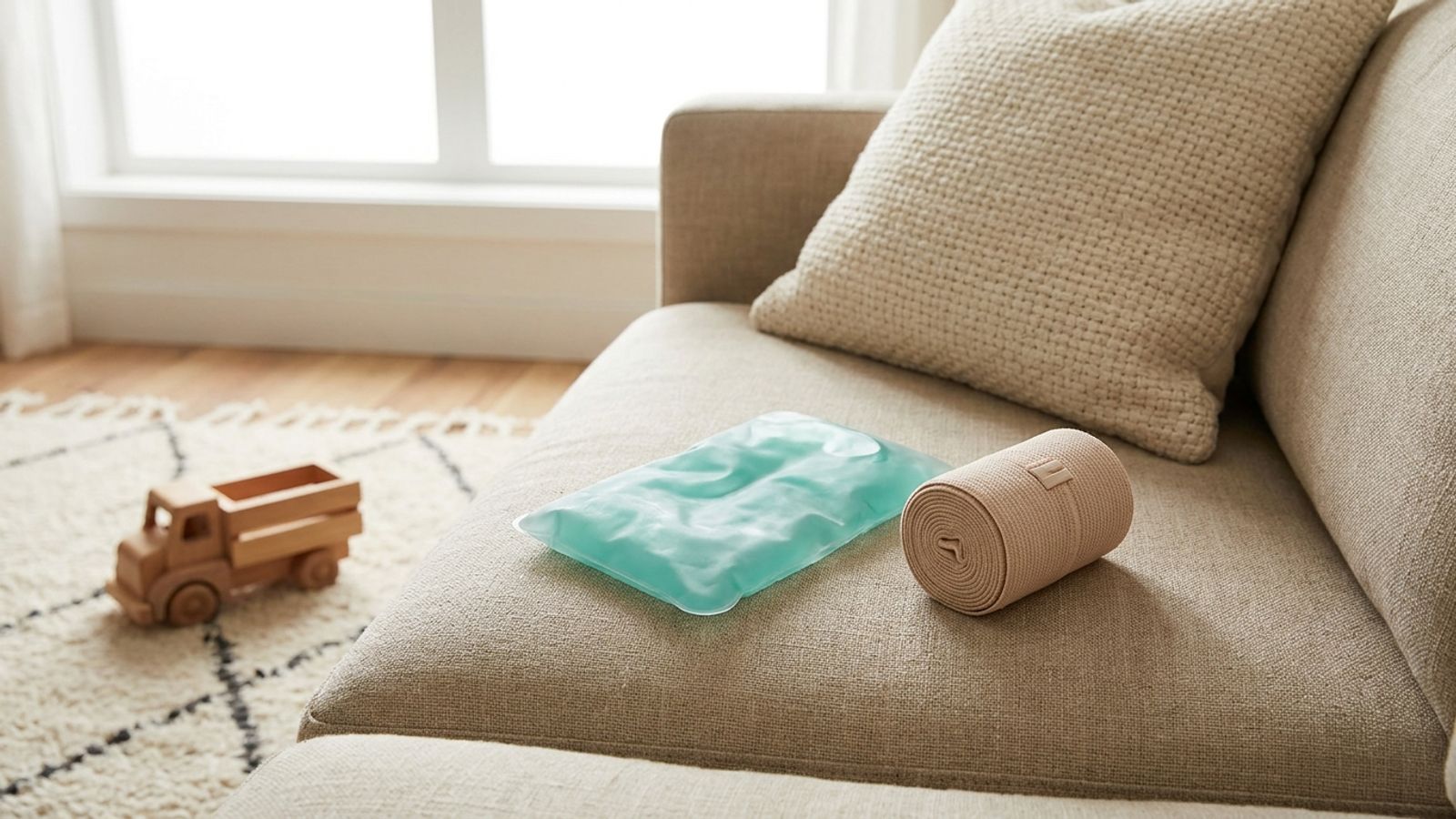
A hematoma is a collection of blood under the skin or in a muscle after an injury, felt as a firm, swollen, tender lump, like a goose egg on the forehead or a lump on the shin. A bruise is blood spread out flat in the skin. Most hematomas shrink on their own over a few weeks with ice, compression and elevation. A large or growing lump, one that's very painful or tense, or any head lump with concussion symptoms, should be checked.
Hematoma or bruise?
- Bruise: flat, discolored skin, purple to green to yellow as it heals
- Hematoma: a raised, firm or squishy lump with swelling, often with bruising over or around it
Common spots are the forehead and scalp in children, the shins, thighs and arms.
Caring for a hematoma
- Ice for 15 to 20 minutes at a time, several times a day for the first two days
- Compression with an elastic wrap on an arm or leg, snug but not tight
- Elevation above the heart when you can
- Acetaminophen for pain. Avoid ibuprofen and aspirin for the first day or two if the swelling is large, since they can increase bleeding.
- After 48 hours, warm compresses may help the body absorb the blood
Most shrink over two to four weeks. The color can spread down the limb as it heals, which is normal.
Goose eggs on the head
A lump on the forehead after a bump is common in toddlers and usually not serious, because the scalp bleeds easily. What matters more is how the child is acting. Our post on concussion symptoms explains what to watch for.
When it needs to be seen
- It's large, growing or very painful
- The skin over it is tight, shiny or cut
- It follows a significant injury or you can't use the limb normally, which could mean a fracture
- It hasn't started shrinking after a week or two
- It appeared without an injury, or you bruise easily or take a blood thinner
- It's hot, red and painful, which can mean infection
Sometimes a large hematoma needs to be drained.
What urgent care can do
A clinician can examine the area, check for a fracture or other injury, decide whether an X-ray is needed, and drain a hematoma if needed. At an AfterOurs clinic, a standard self-pay visit is $175, a visit with one moderate service such as an X-ray is $250, and a self-pay in-clinic visit never costs more than $330. We contract with all major commercial and government plans, including Colorado Medicaid and Medicare. See our minor injury care page and the cost and insurance page.
Go to the ER or call 911 if a head injury comes with loss of consciousness, repeated vomiting, confusion, a severe headache or unusual sleepiness; if you take a blood thinner and hit your head; if a limb swells rapidly and becomes very painful, tight, numb or pale; or if a hematoma comes with dizziness, fainting or heavy bleeding.
Where to find us
Four clinics across metro Denver, all ages welcome, se habla español:
- Hampden (Southeast Denver): 8 AM–11 PM daily
- Littleton: 8 AM–11 PM daily
- Thornton: 8 AM–11 PM daily
- Highlands: Mon–Fri 5–11 PM, Sat–Sun 8 AM–11 PM
Walk in, or book online.
Medically reviewed by Peter Martinuzzi, MD
This article is general health information, not medical advice for your situation. If you are worried, come in or book a telehealth visit — and if it is an emergency, call 911.