
Spider Bite: What It Looks Like, When It's Infected, and When to Get Seen
Most spider bites are minor. Here's what a typical bite looks like, how to care for it at home, and the signs that mean it needs a same-day look or the ER.
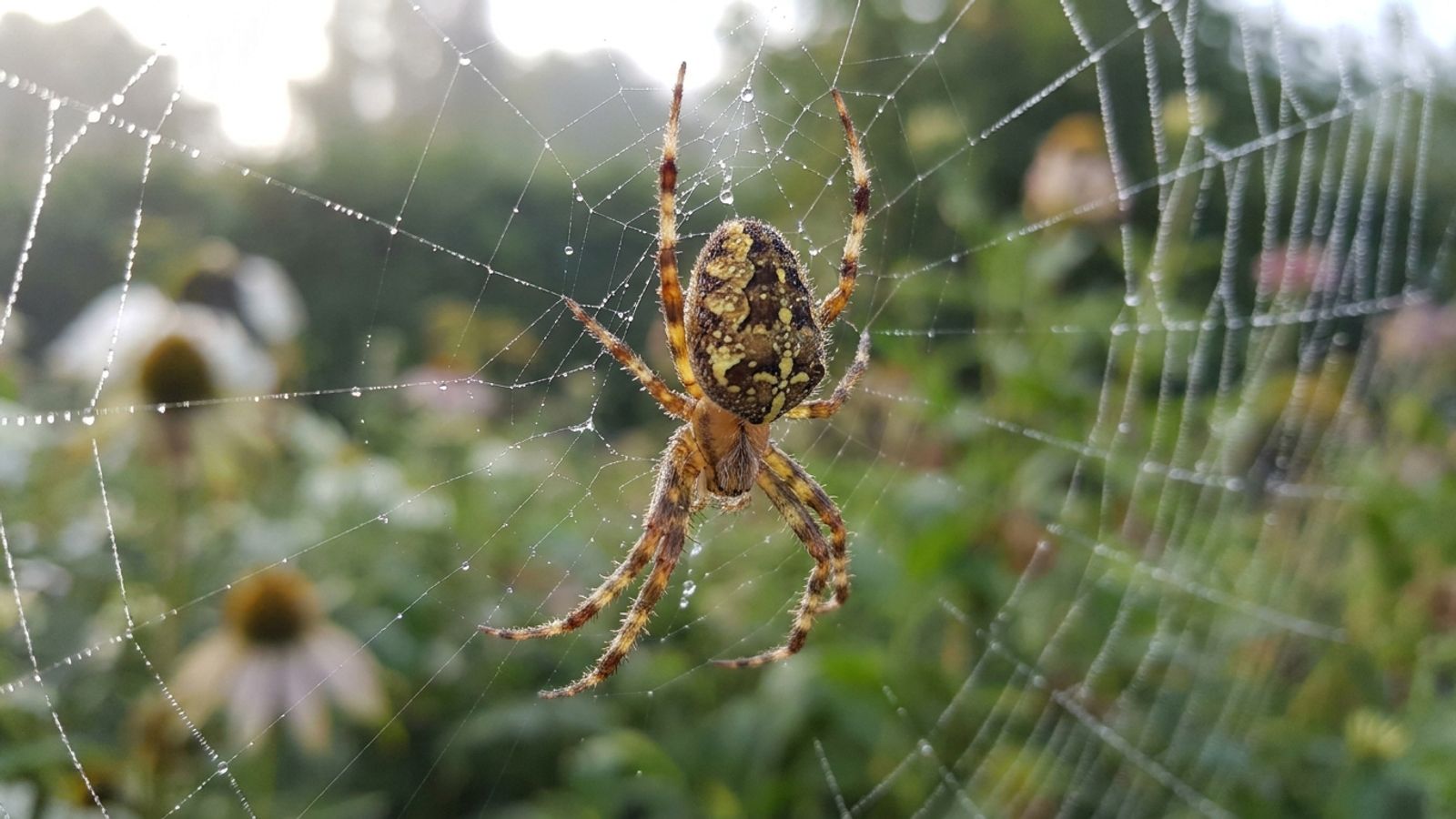
Most spider bites are minor: a small red bump, some itching or soreness, and it settles in a few days with basic care. The ones that need a visit are bites that are spreading, getting more painful after the first day, draining pus, or that came with symptoms beyond the skin. In Colorado, the spider to know about is the black widow. Brown recluse spiders aren't native here.
What does a spider bite look like?
A typical bite is a red, raised bump, sometimes with a tiny puncture mark in the middle. It may itch, sting or ache, and the skin around it can be a little swollen. That's the body reacting to a small amount of venom or saliva, and it usually peaks in the first day and fades over the next few.
Many "spider bites" turn out to be something else. A painful red bump that keeps growing, feels warm and fills with pus is more often a skin infection, such as an abscess, than a bite. That matters because the treatment is different.
Caring for a spider bite at home
- Wash the area with soap and water
- Put a cold pack on it, 10 to 15 minutes at a time, to ease swelling and pain
- Keep the area raised if it's on an arm or leg
- An over-the-counter antihistamine can help with itching, and acetaminophen or ibuprofen with pain, if they're safe for you
- Don't cut, squeeze or try to drain it
Signs a spider bite is infected
Any break in the skin can get infected, especially if it's been scratched. Get it looked at if you notice:
- Redness that keeps spreading, or a red streak moving away from the bite
- Pain, swelling or warmth that gets worse after the first 24 to 48 hours
- Pus or drainage, or a firm, tender lump forming
- Fever or chills
An infected bite may need antibiotics, and a pocket of pus may need to be drained. Both can be done at urgent care. Our abscess page explains how drainage works.
Black widow bites
Black widows live in Colorado, often in woodpiles, sheds, garages and window wells. The bite itself can feel like a pinprick, but within an hour or so it can cause muscle cramping and pain that spreads from the bite, often into the belly, back or chest, along with sweating, nausea or a fast heartbeat. Those symptoms need emergency care, not a wait-and-see approach.
What about brown recluse bites?
Brown recluse spiders aren't native to Colorado, and true bites here are rare. A sore that darkens in the middle, blisters or breaks down into an open wound still needs to be seen the same day, whatever caused it.
When to get seen
Come in the same day for a bite that's spreading, getting more painful, draining, or that you're unsure about, and for any bite on a young child, an older adult, or someone with diabetes or a weakened immune system. At an AfterOurs clinic, a standard self-pay visit is $175, and a self-pay in-clinic visit never costs more than $330. We contract with all major commercial and government plans, including Colorado Medicaid and Medicare. See our bites and stings page and the cost and insurance page.
Call 911 or go to the ER if you have trouble breathing, swelling of the face, lips or throat, severe muscle cramps or belly pain after a bite, chest pain, a racing heart, confusion, or a bite with a high fever and a rapidly spreading red area.
Where to find us
Four clinics across metro Denver, all ages welcome, se habla español:
- Hampden (Southeast Denver): 8 AM–11 PM daily
- Littleton: 8 AM–11 PM daily
- Thornton: 8 AM–11 PM daily
- Highlands: Mon–Fri 5–11 PM, Sat–Sun 8 AM–11 PM
Walk in, or book online.
Medically reviewed by Peter Martinuzzi, MD
This article is general health information, not medical advice for your situation. If you are worried, come in or book a telehealth visit — and if it is an emergency, call 911.