
Infected Ear Piercing: Normal Healing vs. Infection, Aftercare, and When to Get Seen
Some redness and tenderness is normal with a new piercing. Here's how to spot an infection, care for it, and know when a piercing, especially in cartilage, needs a visit.
A new ear piercing is often red, a little swollen, tender and crusty for the first few days to weeks, and that's normal healing. Increasing pain, spreading redness, warmth, yellow or green pus, or a fever are signs of infection. Most earlobe infections clear with careful cleaning and sometimes antibiotics, and you usually shouldn't take the jewelry out. Cartilage piercings, in the upper ear, are more prone to serious infection and should be checked promptly if they look infected.
Normal healing
- Mild redness, swelling and tenderness for the first few days
- Clear or whitish fluid that dries into crust around the jewelry
- Earlobes heal in about 6 to 8 weeks; cartilage can take 6 months to a year
Signs of infection
- Pain, redness or swelling that's getting worse instead of better
- The area feels hot
- Yellow, green or bad-smelling discharge
- A red streak spreading from the piercing
- A painful lump behind or around the piercing
- Fever or feeling unwell
What helps
- Wash your hands before touching the piercing
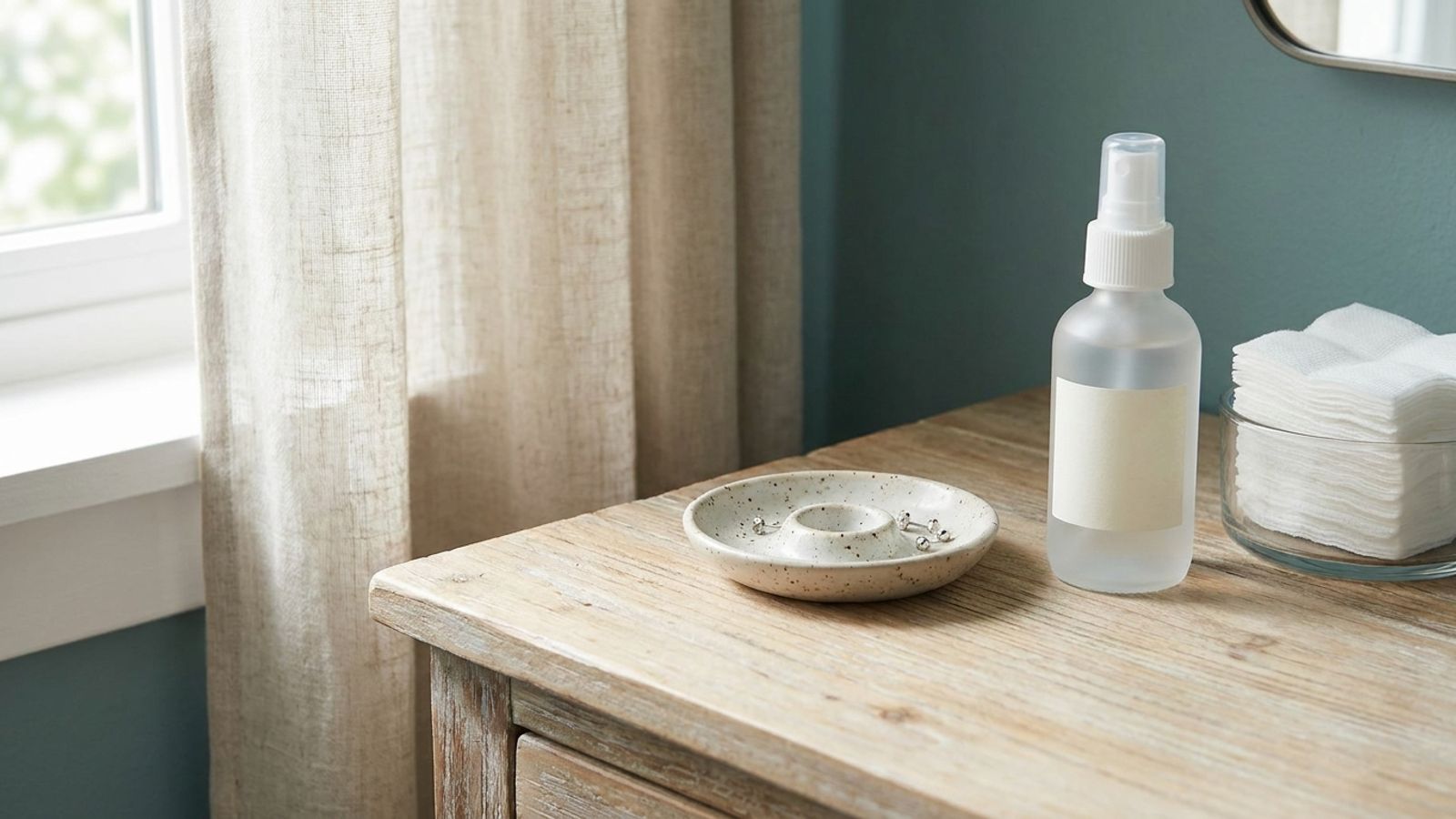
- Clean twice a day with a sterile saline wound wash, and pat dry with clean gauze
- Don't twist or turn the jewelry
- Leave the jewelry in unless a clinician tells you to remove it. Taking it out can trap infection inside as the hole closes.
- Avoid swimming pools, hot tubs and lakes until it heals
- Keep hair, phones, headphones and hats clean and off the piercing
- Avoid alcohol, hydrogen peroxide and ointments, which can slow healing
Cartilage piercings need extra care
Infections in the upper ear's cartilage can spread and damage the cartilage, which doesn't have a good blood supply. A red, swollen, painful upper ear after a piercing should be seen the same day; it often needs antibiotics that cover the right bacteria.
Allergic reactions
Itching, redness and a rash around the piercing can be a reaction to nickel in the jewelry. Switching to implant-grade titanium, surgical steel or 14k gold usually helps.
When to get seen
Come in, or start with a telehealth visit, for signs of infection, a painful lump, a cartilage piercing that's red and swollen, or jewelry that's embedded in swollen skin. A clinician can prescribe antibiotics and, if a pocket of pus has formed, drain it. See our abscess page. At an AfterOurs clinic, a standard self-pay visit is $175, and a self-pay in-clinic visit never costs more than $330. Telehealth is $75. We contract with all major commercial and government plans, including Colorado Medicaid and Medicare. See the cost and insurance page.
Go to the ER if you have a high fever or chills, redness and swelling spreading rapidly across the ear, face or neck, or feel very unwell with an infected piercing.
Where to find us
Four clinics across metro Denver, all ages welcome, se habla español:
- Hampden (Southeast Denver): 8 AM–11 PM daily
- Littleton: 8 AM–11 PM daily
- Thornton: 8 AM–11 PM daily
- Highlands: Mon–Fri 5–11 PM, Sat–Sun 8 AM–11 PM
Walk in, or book online.
Medically reviewed by Peter Martinuzzi, MD
This article is general health information, not medical advice for your situation. If you are worried, come in or book a telehealth visit — and if it is an emergency, call 911.