
Ski and Snowboard Injuries: Skier's Thumb, Wrists and Knees
Skier's thumb, snowboard wrist injuries and twisted knees: what each one feels like, what to do on the first day, and when to get an exam or X-ray.
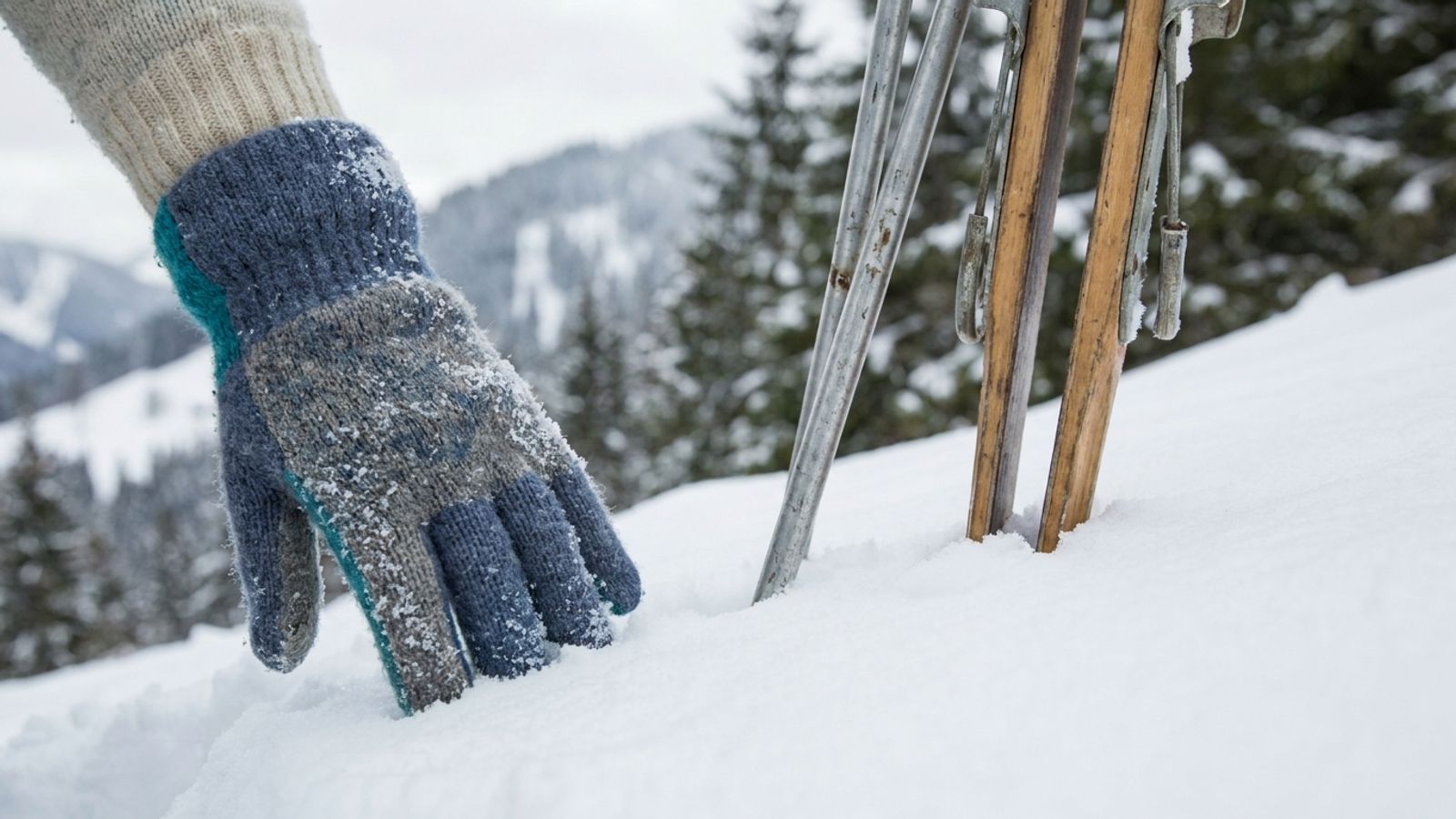
Skier's thumb is a sprain or tear of the ligament on the inner side of the thumb's base joint, usually from falling with a ski pole still in your hand. Along with wrist injuries from snowboard falls and twisted knees, it's one of the most common injuries once the lifts open. Most of these can be checked at urgent care the same day: a clinician examines the joint, decides whether you need an X-ray, and splints or braces it so you can get home safely.
What is skier's thumb?
Your thumb has a ligament on the side facing your index finger, called the ulnar collateral ligament (UCL). It keeps the thumb steady when you pinch or grip. When you fall onto an open hand with a pole strapped to your wrist, the pole levers the thumb outward and that ligament stretches or tears.
Common signs of skier's thumb:
- Pain and swelling at the base of the thumb, on the index-finger side
- Bruising that spreads over the next day
- A weak or painful pinch: trouble turning a key, opening a jar or holding a pen
- A thumb that feels loose or wobbly when you push against it
It's tempting to tape it and keep skiing. The trouble is that a torn thumb ligament left unprotected can leave the joint unstable for pinching and gripping, and some complete tears need a hand specialist. A same-day exam tells you whether a splint is enough or whether you need a referral. A small piece of bone can also pull off with the ligament, which is one reason a clinician may want an X-ray.
Snowboard wrist injuries: sprain or fracture?
Snowboarders fall backward and forward onto outstretched hands, so wrists take the hit. A wrist sprain (stretched or torn ligaments) and a wrist fracture can look and feel almost the same: pain, swelling, bruising and trouble gripping. You can't reliably tell them apart by how bad it hurts.
One bone deserves special mention. The scaphoid sits at the base of the thumb side of the wrist, and a break there can be easy to miss: you may have only a deep ache and tenderness in the hollow just below the thumb. Scaphoid fractures sometimes don't show on the first X-ray, so a clinician may splint the wrist anyway and arrange a recheck. If your wrist still hurts on the thumb side a week or so after a fall, get it looked at, even if it seemed like a sprain.
Wrist guards are worth wearing, especially for newer riders, who fall more often.
Knee injuries on the slopes
Skis act as long levers, so a slow twisting fall can strain the knee badly. The ligament on the inner side of the knee (the MCL) is commonly sprained when the ski tips spread apart. The ACL, deeper inside the knee, can tear when you twist or land a jump off balance.
Signs that a knee injury needs a look: a pop at the moment of injury, swelling that builds over a few hours, the knee giving way when you stand or turn, or pain on the inner side when you put weight on it. At urgent care a clinician can examine the knee, decide whether imaging is needed, fit a brace or wrap, give you crutches if needed, and coordinate follow-up with orthopedics when the injury calls for it.
Call 911 or go to the ER if… bone is showing through the skin; a large bone such as the thigh, hip or upper arm looks deformed; the hand, foot or skin below the injury is numb, pale or cold; you hit your head and are confused, drowsy, vomiting or had a seizure; you have neck or back pain after a high-speed crash; or you can't bear any weight at all after a high-force fall. If you're still on the mountain, call ski patrol first.
What to do on the first day
- Stop skiing or riding. A second fall on an injured thumb, wrist or knee can turn a sprain into something worse.
- Ice it for about 20 minutes at a time, with a cloth between the ice and your skin.
- Keep it raised above heart level when you can, and take off rings or a tight watch before the swelling builds.
- Protect it with a soft wrap, and don't force it through a painful range of motion.
- Over-the-counter pain relievers may help if they're safe for you; check the label or ask a pharmacist.
What happens at an urgent care visit for a ski injury?
A minor injury visit starts with an exam of the joint. If a fracture is possible, the clinician may order an X-ray. Our clinics have X-ray equipment, but X-ray staffing varies, so if you think you'll need one, call the clinic before you drive over. From there, treatment for sprains and strains or minor fractures can include a splint, brace or wrap, crutches, a pain-control plan, a work or school note, and orthopedic follow-up when it's needed.
What does it cost?
Self-pay in-clinic visits are $175 for a standard visit, $250 with one moderate service such as an X-ray, and $330 for a procedure or two moderate services. The tier depends on the care you actually receive. If you're using insurance: we contract with all major commercial and government plans, including Colorado Medicaid and Medicare. We can't guarantee a particular commercial plan has us in network, and if you turn out to be out of network or your benefits are denied, we bill you at the self-pay rates. Details are on our cost and insurance page.
Where to find us
Four clinics across metro Denver, all ages welcome, se habla español:
- Hampden (Southeast Denver): 8 AM–11 PM daily
- Littleton: 8 AM–11 PM daily
- Thornton: 8 AM–11 PM daily
- Highlands: Mon–Fri 5–11 PM, Sat–Sun 8 AM–11 PM
Walk in, or book online.
Medically reviewed by Peter Martinuzzi, MD
This article is general health information, not medical advice for your situation. If you are worried, come in or book a telehealth visit — and if it is an emergency, call 911.