
Sunburn and Sun Poisoning at Colorado's Altitude: What Helps and When to Get Seen
UV is stronger at altitude, so Coloradans and visitors burn faster, even in winter on the slopes. Here's how to treat a sunburn, the signs of sun poisoning, and when to get seen.
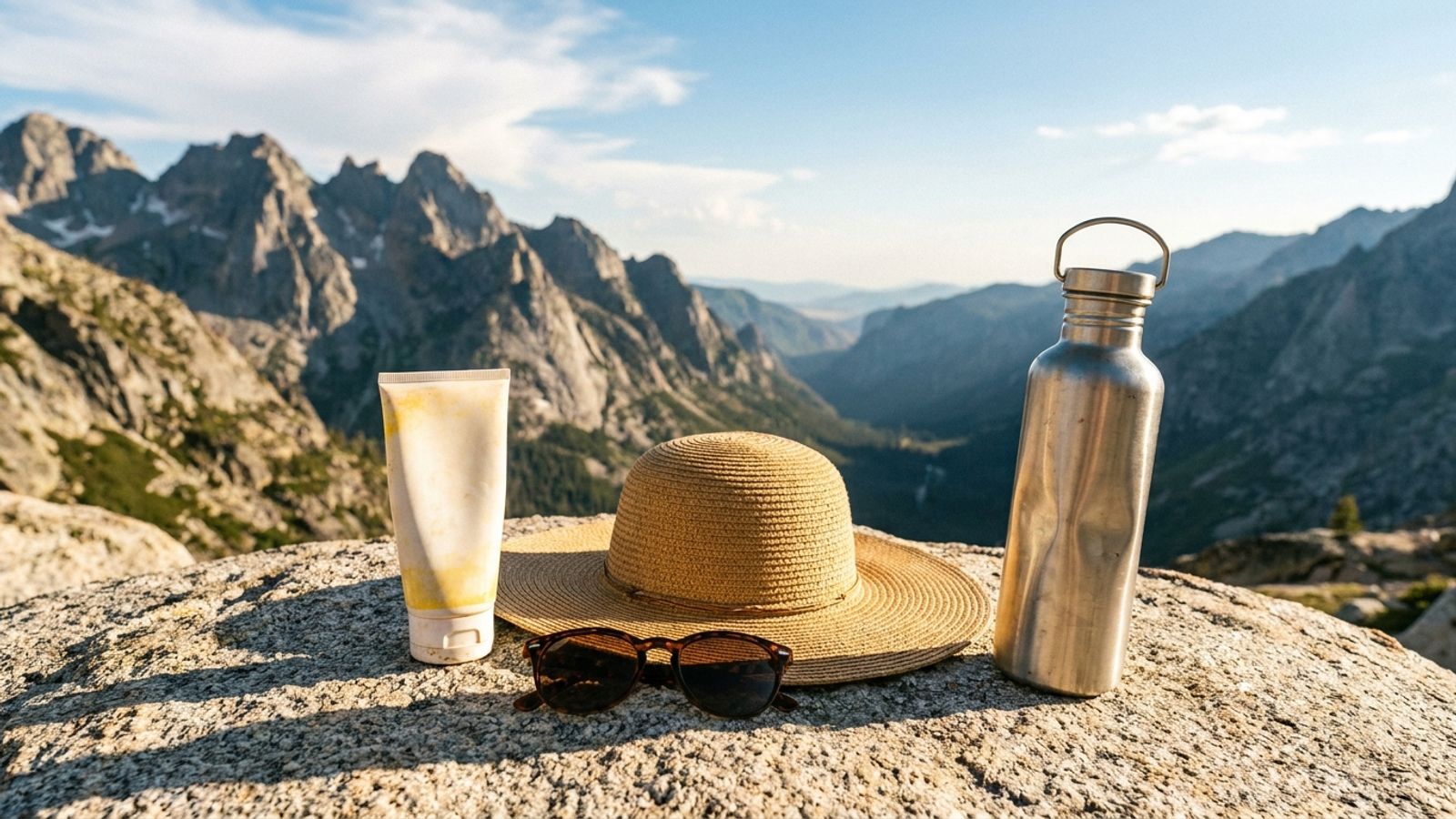
UV radiation gets stronger as you go higher, so in Denver and the mountains you can burn faster than at sea level, including in winter, when snow reflects sunlight back up at you. A typical sunburn turns skin red, hot and sore within hours and heals in a few days. "Sun poisoning" is the everyday name for a severe sunburn with blistering, swelling, and whole-body symptoms like fever, chills, headache, nausea or dizziness. Severe or widespread blistering, or feeling sick with a burn, needs to be seen.
Why altitude makes it worse
- UV exposure increases with elevation, so a day in the mountains delivers much more UV than the same day at sea level
- Snow can reflect up to about 80% of UV, so skiers and snowboarders burn on the face, under the chin and in the ears
- Thin, dry air and cloud cover can make it feel cooler, so people don't notice they're burning
Sunburn symptoms
- Red or pink, hot, tender skin, starting within a few hours
- Mild swelling
- Peeling after several days
- On darker skin, burns may look darker, feel tight, and be more painful than they look
Signs of sun poisoning
- Blisters, especially over large areas
- Significant swelling
- Fever, chills or headache
- Nausea, vomiting or dizziness
- Signs of dehydration
Some people also get an itchy rash of small bumps after sun exposure (polymorphic light eruption), often in spring.
What helps
- Get out of the sun, and cover up until you heal
- Cool the skin with cool showers or damp cloths
- Moisturize with aloe vera or a fragrance-free moisturizer
- Take ibuprofen for pain and swelling, if it's safe for you
- Drink extra water, since sunburn and altitude both dehydrate you
- Leave blisters alone. Don't pop them; cover broken ones with a non-stick bandage.
- Avoid "-caine" numbing sprays and petroleum jelly on a fresh burn, which can irritate or trap heat
Preventing sunburn in Colorado
- Use broad-spectrum SPF 30 or higher, and reapply every two hours and after sweating or swimming
- Don't skip sunscreen on cloudy days or in winter on the slopes
- Cover the ears, nose, lips (SPF lip balm) and under the chin
- Wear a hat, sunglasses and UV-protective clothing
- Plan outdoor time outside of midday, when UV is strongest
When to get seen
Come in for a burn with large blisters, blisters on the face, hands or genitals, a burn with fever, chills or vomiting, signs of dehydration, or a burn that looks infected. A clinician can treat pain and swelling, care for blisters, and give IV fluids if you're dehydrated. At an AfterOurs clinic, a standard self-pay visit is $175, and a self-pay in-clinic visit never costs more than $330. We contract with all major commercial and government plans, including Colorado Medicaid and Medicare. See our minor burns page and the cost and insurance page. Our post on altitude sickness covers the other big risk for visitors.
Go to the ER or call 911 if a sunburn comes with confusion, fainting, a high fever, a fast heartbeat or fast breathing, severe headache, or signs of heat stroke; if blisters cover a large part of the body; or if a baby under 1 year has a sunburn with blisters or fever.
Where to find us
Four clinics across metro Denver, all ages welcome, se habla español:
- Hampden (Southeast Denver): 8 AM–11 PM daily
- Littleton: 8 AM–11 PM daily
- Thornton: 8 AM–11 PM daily
- Highlands: Mon–Fri 5–11 PM, Sat–Sun 8 AM–11 PM
Walk in, or book online.
Medically reviewed by Peter Martinuzzi, MD
This article is general health information, not medical advice for your situation. If you are worried, come in or book a telehealth visit — and if it is an emergency, call 911.