
Swimmer's Ear: Symptoms, Ear Drops, and How to Prevent It
Swimmer's ear is an infection of the ear canal that hurts when you touch the ear. Here's how it's treated, how to prevent it, and when to get seen.
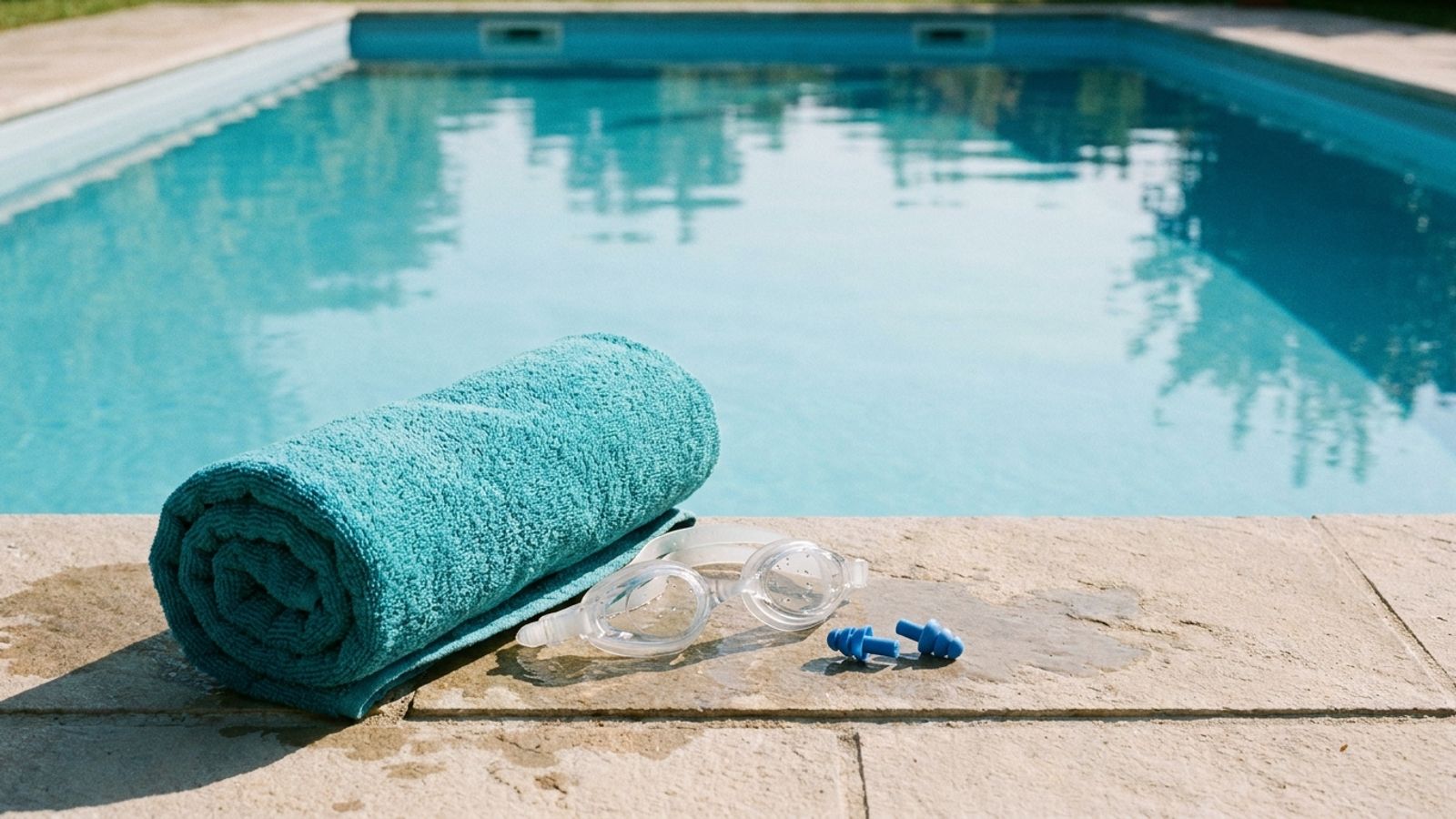
Swimmer's ear (otitis externa) is an infection of the ear canal, the tube between the outer ear and the eardrum, usually after water stays trapped in the ear. Its tell-tale sign is pain when you pull on the earlobe or press the small flap in front of the ear, along with itching, swelling and sometimes drainage. It's treated with prescription antibiotic ear drops, not pills, and most people feel better within two to three days of starting them.
Swimmer's ear symptoms
- Ear pain that gets worse when you tug the earlobe or press in front of the ear
- Itching in the ear canal
- Redness and swelling of the canal
- Clear, yellow or pus-like drainage
- A full or plugged feeling, and muffled hearing
- Sometimes swollen glands near the ear
Swimmer's ear or a middle ear infection?
Swimmer's ear is in the canal and hurts to touch. A middle ear infection is behind the eardrum, usually follows a cold, and causes deep pain without tenderness when you touch the outer ear. Our post on ear infections covers the middle ear kind. A clinician can tell them apart by looking in the ear.
Common causes
- Water trapped in the ear after swimming, bathing or showering
- Scratching the canal with cotton swabs, fingers or earbuds
- Hearing aids or earbuds worn for long periods
- Skin conditions such as eczema or psoriasis in the ear
- Hair products or chemicals getting into the ear
Treatment
- Prescription antibiotic ear drops, sometimes with a steroid to ease swelling, usually for 7 to 10 days
- Pain relief with acetaminophen or ibuprofen
- Keep the ear dry until it heals: no swimming, and use a cotton ball coated in petroleum jelly in the ear while showering
- No earbuds or hearing aids in that ear until it's better, if possible
If the canal is very swollen, a clinician may place a small wick to help the drops get in. Antibiotics by mouth are only needed if the infection has spread beyond the canal.
Preventing swimmer's ear
- Tip your head to each side to let water drain out after swimming
- Dry the outer ear gently with a towel, or use a hair dryer on the lowest setting held well away from the ear
- Use over-the-counter drying drops after swimming, if you don't have ear tubes or a hole in the eardrum
- Wear earplugs or a swim cap if you get it often
- Don't put cotton swabs in your ears
When to get seen
Come in, or start with a telehealth visit, for ear pain that hurts to touch, drainage from the ear, or itching and fullness after swimming. At an AfterOurs clinic, a standard self-pay visit is $175, and a self-pay in-clinic visit never costs more than $330. Telehealth is $75. We contract with all major commercial and government plans, including Colorado Medicaid and Medicare. See our ear infection page and the cost and insurance page.
Go to the ER if you have severe ear pain with a high fever, redness and swelling spreading to the face or behind the ear, weakness or drooping on one side of the face, or severe pain if you have diabetes or a weakened immune system, which can mean a deeper infection.
Where to find us
Four clinics across metro Denver, all ages welcome, se habla español:
- Hampden (Southeast Denver): 8 AM–11 PM daily
- Littleton: 8 AM–11 PM daily
- Thornton: 8 AM–11 PM daily
- Highlands: Mon–Fri 5–11 PM, Sat–Sun 8 AM–11 PM
Walk in, or book online.
Medically reviewed by Peter Martinuzzi, MD
This article is general health information, not medical advice for your situation. If you are worried, come in or book a telehealth visit — and if it is an emergency, call 911.