
Bruised or Broken Rib: Symptoms, Healing Time, and When It's an Emergency
Bruised and cracked ribs hurt with every breath, but most heal on their own in a few weeks. Here's how to manage the pain, protect your lungs, and know when it's serious.
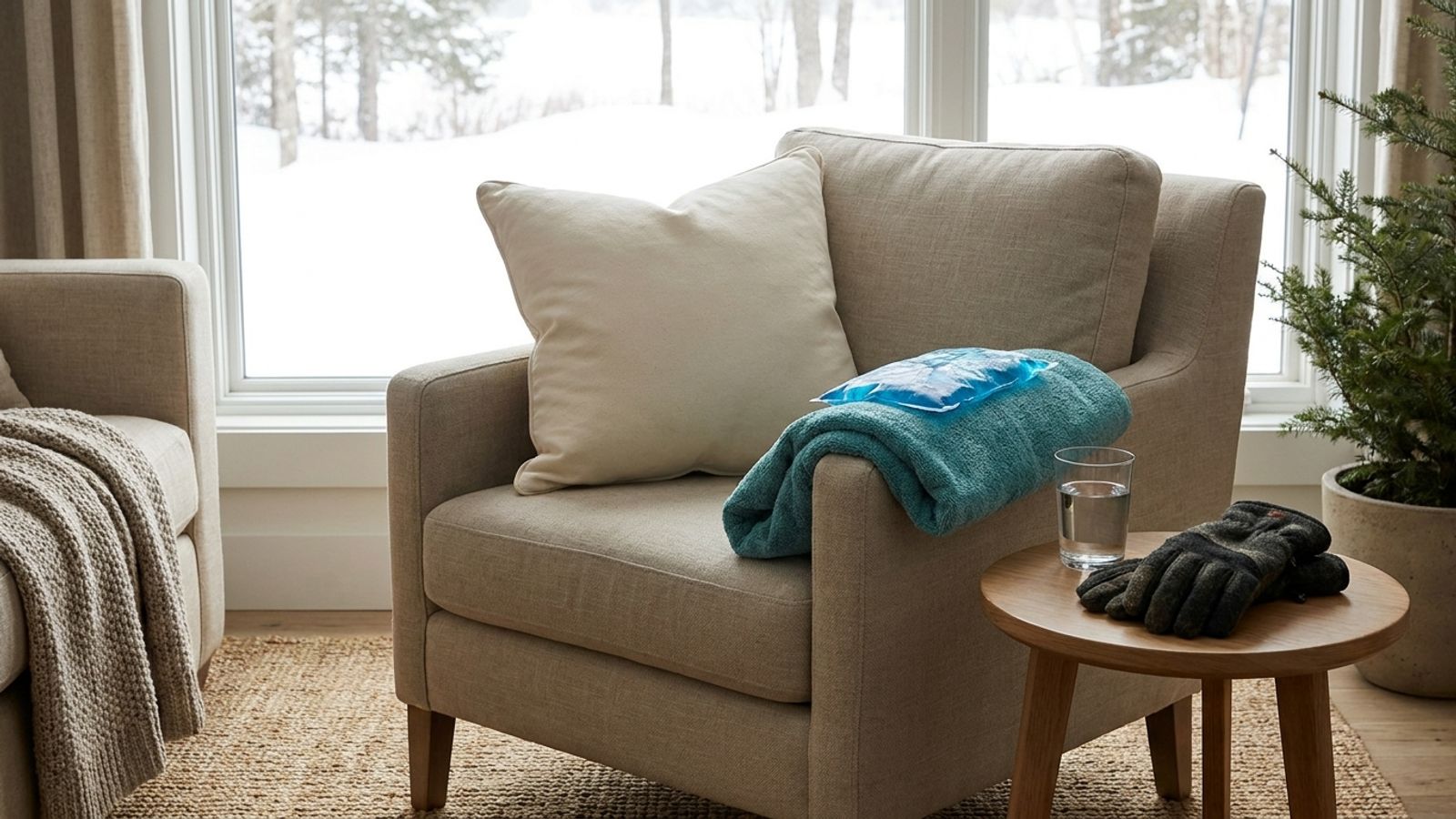
A bruised or cracked rib causes sharp pain where you were hit or fell, which gets worse when you breathe in deeply, cough, sneeze, laugh or twist. Bruised and simple broken ribs are treated the same way and usually heal on their own in three to six weeks. The most important things are good pain control and keeping up deep breaths, so you don't get pneumonia. Shortness of breath, coughing up blood, or upper belly pain after a rib injury needs the ER.
Bruised or broken?
They can feel the same. A break is more likely with a hard hit, a crunching or popping feeling, a sharp spot that's very tender when pressed, or pain that's worse than you'd expect from a bruise. Often the treatment is the same either way, so an X-ray is used mainly when a clinician suspects a more serious injury.
Common causes
- Falls, including on ice, ski slopes and stairs
- Car and bike crashes
- Contact sports
- Severe coughing, especially in older adults or people with weak bones
What helps
- Pain relief: ibuprofen or naproxen and acetaminophen, if they're safe for you, taken regularly so you can breathe deeply
- Ice for 15 to 20 minutes at a time in the first few days
- Deep breaths: take 10 slow, deep breaths every hour while awake, and cough gently, holding a pillow against your chest
- Stay gently active: walk around rather than staying in bed
- Sleep propped up if lying flat hurts
- Don't wrap your chest tightly, which makes it harder to breathe deeply
How long ribs take to heal
Bruised ribs usually feel better in two to three weeks. Broken ribs take about six weeks. Avoid contact sports and heavy lifting until you're pain-free.
What urgent care can do
A clinician can examine your chest, listen to your lungs, check your oxygen level, and decide whether you need an X-ray. They can also make a pain plan so you can keep breathing deeply. If anything suggests a lung or organ injury, you'll be sent to the ER. Our post on shortness of breath covers breathing warning signs.
At an AfterOurs clinic, a standard self-pay visit is $175, a visit with one moderate service such as an X-ray is $250, and a self-pay in-clinic visit never costs more than $330. We contract with all major commercial and government plans, including Colorado Medicaid and Medicare. See our minor fractures page and the cost and insurance page.
Go to the ER or call 911 if you're short of breath or breathing is getting harder, you cough up blood, you have pain in the upper belly or shoulder after an injury, part of the chest moves the wrong way when you breathe, you feel dizzy or faint, or the injury came from a serious crash or fall. Get seen quickly for a fever or worsening cough while healing, which can be pneumonia.
Where to find us
Four clinics across metro Denver, all ages welcome, se habla español:
- Hampden (Southeast Denver): 8 AM–11 PM daily
- Littleton: 8 AM–11 PM daily
- Thornton: 8 AM–11 PM daily
- Highlands: Mon–Fri 5–11 PM, Sat–Sun 8 AM–11 PM
Walk in, or book online.
Medically reviewed by Peter Martinuzzi, MD
This article is general health information, not medical advice for your situation. If you are worried, come in or book a telehealth visit — and if it is an emergency, call 911.