
Shortness of Breath: Common Causes, Altitude, and When It's an Emergency
Feeling short of breath can come from a cold, asthma, altitude or anxiety, or from the heart or lungs. Here's how to judge it, and the signs that mean call 911.
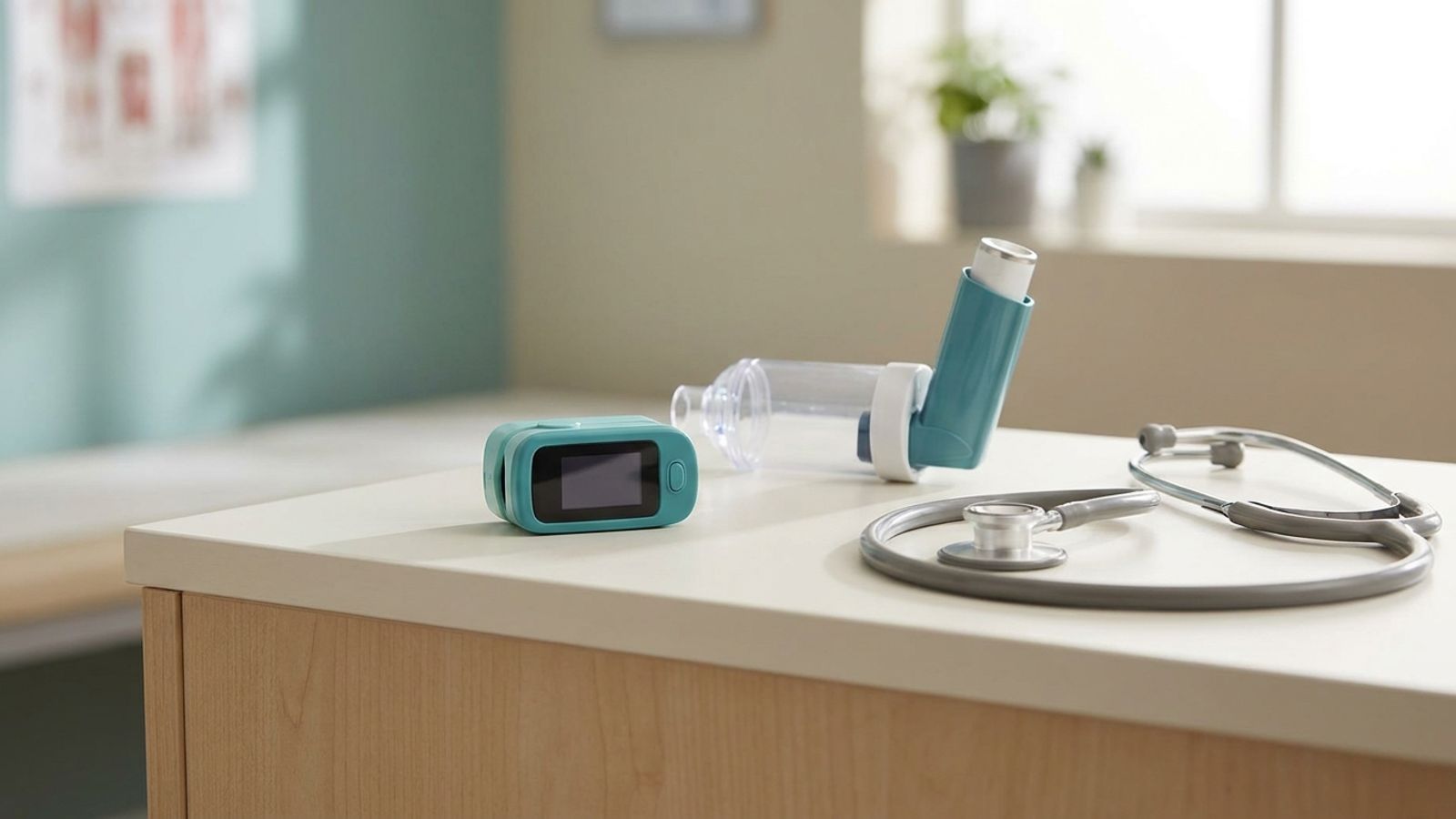
Shortness of breath (dyspnea) can come from something minor, like a cold, a stuffy nose, being out of shape, Denver's altitude, or anxiety, or from something serious in the heart or lungs. What matters most is how sudden and severe it is, and what comes with it. Sudden, severe trouble breathing, or shortness of breath with chest pain, fainting, or blue lips, means call 911. Breathlessness that's new, getting worse, or comes with a cough or fever should be checked the same day.
Common causes
- Colds, flu, COVID and bronchitis, which inflame the airways. See our bronchitis post.
- Asthma flares, with wheezing and chest tightness. See our asthma flare post.
- Pneumonia, often with fever and cough. See our walking pneumonia post.
- Altitude: at Denver's elevation there's less oxygen in each breath, and visitors often feel winded at first. Higher in the mountains, it can be altitude sickness.
- Anxiety or panic attacks, with fast breathing, tingling and a racing heart
- Allergies and allergic reactions
- Being out of shape, or excess weight
- Anemia (low red blood cells)
Serious causes
- Heart attack or heart failure
- A blood clot in the lungs, especially after surgery, a long trip, pregnancy or with a swollen leg
- A collapsed lung, often sudden, with sharp chest pain
- Severe asthma or allergic reaction
- Severe pneumonia or COPD flare
Altitude and breathing in Colorado
New arrivals often feel short of breath with exertion for the first few days to weeks. Take it easy, drink extra water, and avoid alcohol at first. Breathlessness at rest, a cough with frothy mucus, or confusion at high altitude are emergencies. Our post on altitude sickness has more.
What urgent care can do
A clinician can listen to your lungs and heart, check your oxygen level, test for flu, COVID and RSV, and give a nebulizer breathing treatment for wheezing. An EKG or chest X-ray may be part of the visit. If anything points to the heart, a blood clot or a severe lung problem, you'll be sent to the ER.
At an AfterOurs clinic, a standard self-pay visit is $175, a visit with one moderate service such as a breathing treatment or X-ray is $250, and a self-pay in-clinic visit never costs more than $330. We contract with all major commercial and government plans, including Colorado Medicaid and Medicare. See our asthma flare page and the cost and insurance page.
Call 911 if shortness of breath is sudden and severe, comes with chest pain or pressure, fainting, a racing or irregular heartbeat, coughing up blood, lips or skin turning blue or gray, confusion, or swelling of the face or throat; or if you can't speak in full sentences. Also call 911 for sudden breathlessness with a swollen, painful leg.
Where to find us
Four clinics across metro Denver, all ages welcome, se habla español:
- Hampden (Southeast Denver): 8 AM–11 PM daily
- Littleton: 8 AM–11 PM daily
- Thornton: 8 AM–11 PM daily
- Highlands: Mon–Fri 5–11 PM, Sat–Sun 8 AM–11 PM
Walk in, or book online.
Medically reviewed by Peter Martinuzzi, MD
This article is general health information, not medical advice for your situation. If you are worried, come in or book a telehealth visit — and if it is an emergency, call 911.