
Bursitis vs. Tendonitis: Shoulder, Elbow, Hip and Knee Pain, and What Helps
Bursitis and tendonitis are common overuse injuries that cause pain around a joint. Here's how to tell them apart, what helps, and when to get seen.
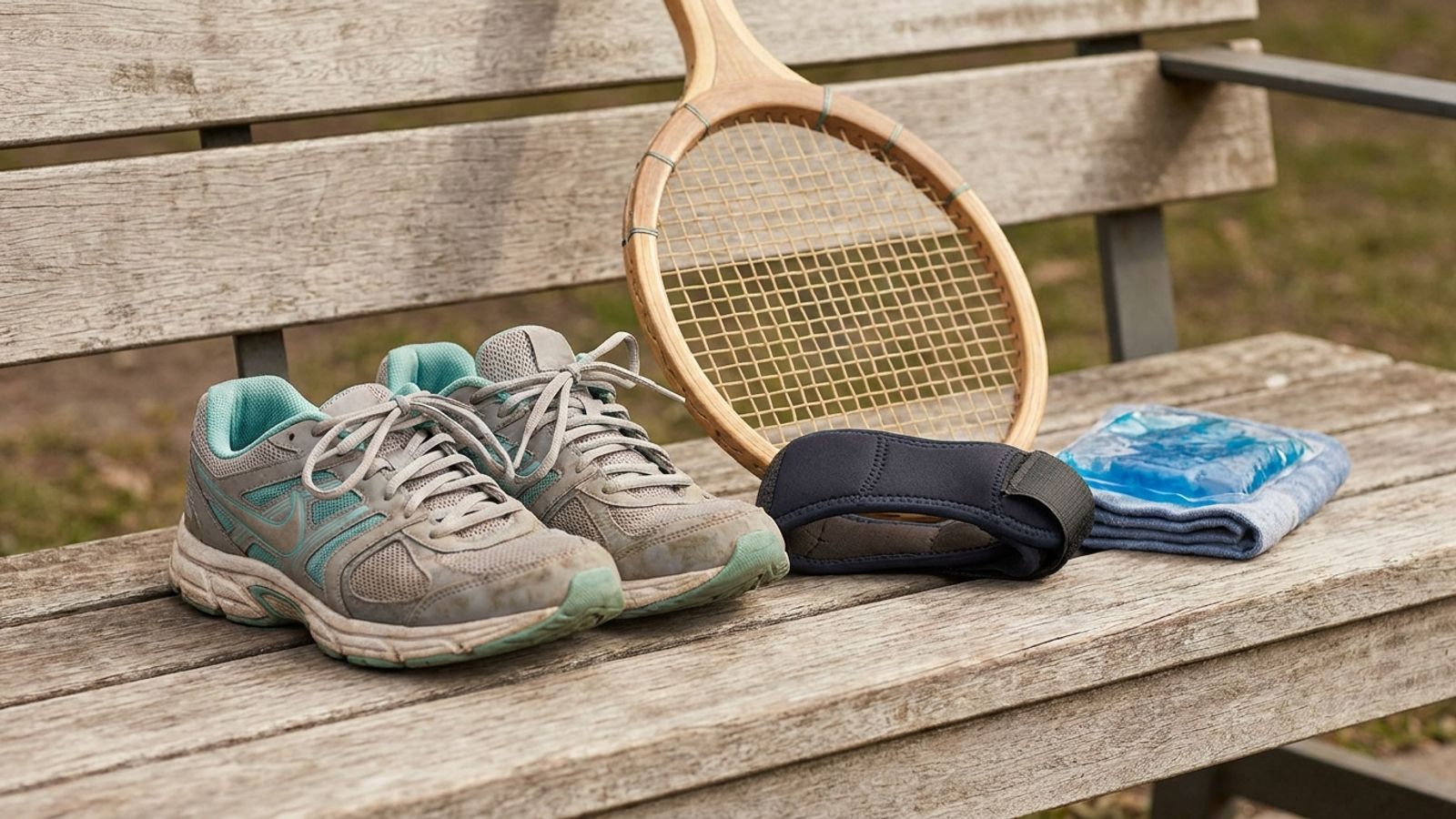
Bursitis and tendonitis both cause pain around a joint, usually from overuse or repetitive motion. Bursitis is swelling of a bursa, a small fluid-filled cushion between bone and soft tissue, and often causes a tender, sometimes puffy spot. Tendonitis is irritation of a tendon, the cord that connects muscle to bone, and usually hurts more when you use that muscle. Both usually improve over a few weeks with rest, ice and anti-inflammatory medicine. A joint that's hot, red and swollen with a fever needs a same-day check.
Bursitis
- An aching or stiff joint, tender to press on
- Sometimes visible swelling, like a soft lump on the elbow or kneecap
- Pain with movement or pressure, such as lying on your side with hip bursitis
- Common spots: shoulder, elbow, hip, knee and heel
Tendonitis
- Pain that's worse when you move or load the tendon
- Tenderness along the tendon, sometimes mild swelling
Common types:
- Tennis elbow: pain on the outside of the elbow, from gripping
- Golfer's elbow: pain on the inside of the elbow
- Rotator cuff tendonitis: shoulder pain reaching overhead or sleeping on that side
- Achilles tendonitis: pain at the back of the heel, common in runners
- De Quervain's: pain at the base of the thumb and wrist, common in new parents lifting a baby
Common causes
- Repetitive motions at work, in sports or around the house: painting, gardening, typing, throwing, skiing or running
- A sudden increase in activity
- Poor technique or posture
- Kneeling or leaning on an elbow for long periods
- Age, since tendons become less flexible
- Sometimes gout, rheumatoid arthritis or an infection
What helps
- Rest the area and avoid the movement that causes pain, without fully immobilizing it
- Ice for 15 to 20 minutes a few times a day
- Anti-inflammatory medicine, such as ibuprofen or naproxen, if it's safe for you
- A brace or strap, such as a tennis elbow strap
- Gentle stretching and strengthening once the pain eases
- Ease back into activity gradually
Most cases improve within two to six weeks. Physical therapy helps if it's slow to heal or keeps coming back.
What urgent care can do
A clinician can examine the area, rule out a fracture, tear or infection, and recommend a treatment plan. Treatment may include prescription anti-inflammatory medicine, a splint or brace, and a referral to physical therapy. A swollen bursa that looks infected may need to be drained.
When to get seen
Come in if pain isn't improving after a week or two of home care, if it came on with an injury, if you can't use the joint, or if there's swelling, warmth or redness. At an AfterOurs clinic, a standard self-pay visit is $175, a visit with one moderate service such as an X-ray is $250, and a self-pay in-clinic visit never costs more than $330. We contract with all major commercial and government plans, including Colorado Medicaid and Medicare. See our bursitis and tendonitis page and the cost and insurance page. For a sudden painful joint, our post on gout may help.
Go to the ER if a joint is hot, red and swollen with a fever or chills, you heard a pop and can't move the joint or bear weight, the area looks deformed, or the hand or foot below it is numb, cold or pale.
Where to find us
Four clinics across metro Denver, all ages welcome, se habla español:
- Hampden (Southeast Denver): 8 AM–11 PM daily
- Littleton: 8 AM–11 PM daily
- Thornton: 8 AM–11 PM daily
- Highlands: Mon–Fri 5–11 PM, Sat–Sun 8 AM–11 PM
Walk in, or book online.
Medically reviewed by Peter Martinuzzi, MD
This article is general health information, not medical advice for your situation. If you are worried, come in or book a telehealth visit — and if it is an emergency, call 911.