
Cradle Cap and Diaper Rash: Common Baby Skin Problems, and When a Rash Needs a Visit
Cradle cap and diaper rash are common and usually easy to care for at home. Here's what helps, how to spot a yeast rash, and when a baby's rash needs to be seen.
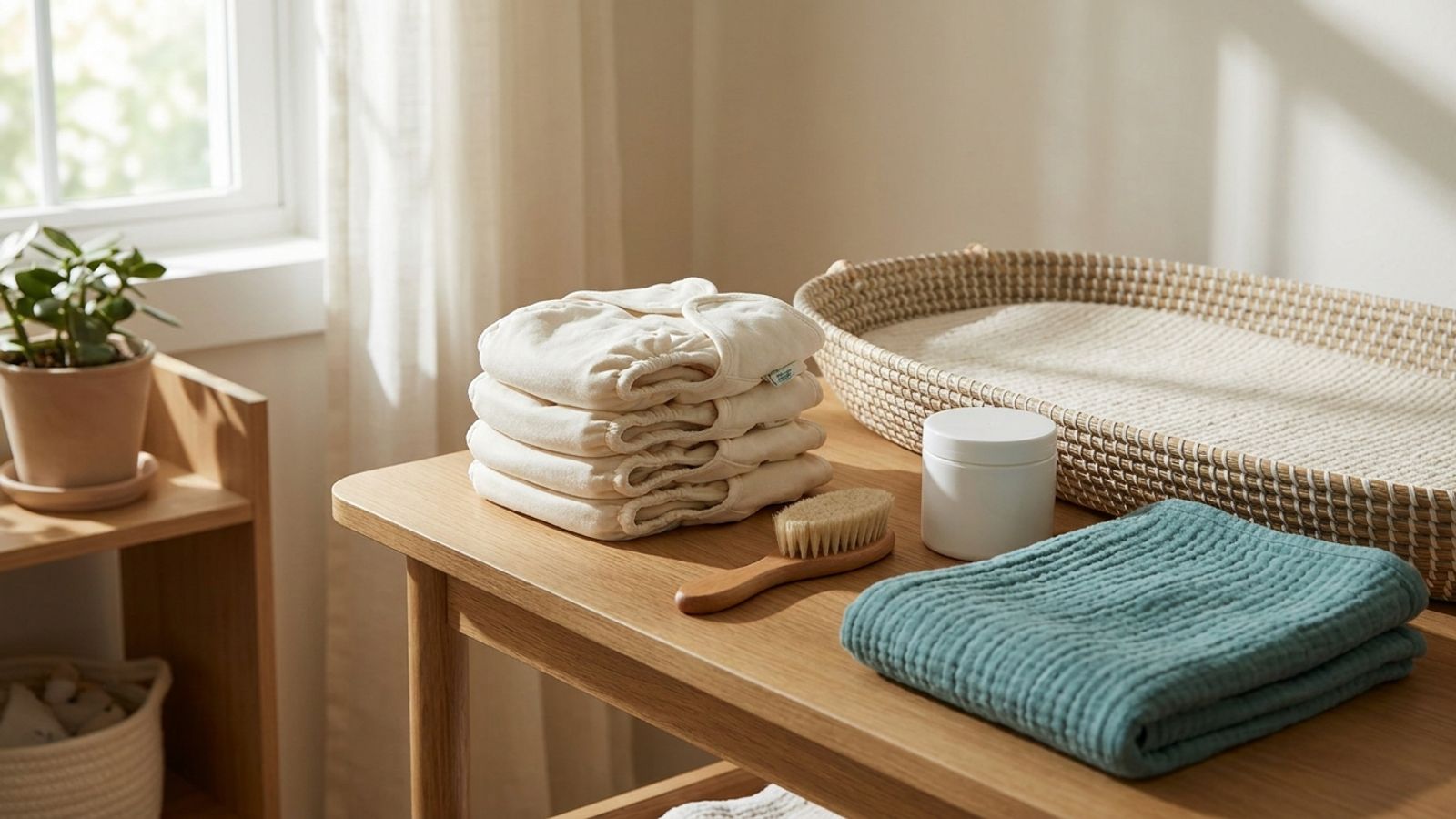
Cradle cap is a harmless, greasy, yellowish scaling on a baby's scalp that usually clears by itself in the first year, and gentle washing and brushing help. Diaper rash is red, irritated skin in the diaper area, usually from moisture and friction, and it improves with frequent changes, air time and a thick barrier cream. A diaper rash that lasts more than a few days, has red spots spreading beyond the main patch, or blisters may be a yeast or bacterial infection and should be seen. Any rash with a fever in a baby under 3 months needs care right away.
Cradle cap
- Thick, greasy, yellow or white scales on the scalp, sometimes on the eyebrows, behind the ears or in skin folds
- Usually not itchy or uncomfortable
- Most common in the first few months
What helps:
- Wash the scalp daily with a gentle baby shampoo
- Rub a little baby oil or mineral oil into the scales 15 minutes before washing to loosen them
- Gently brush with a soft brush or comb after washing
- Don't pick at the scales
Get it checked if it spreads beyond the scalp, looks red and inflamed, oozes, or doesn't improve with home care.
Diaper rash
- Red, irritated skin on the bottom, genitals and thighs, often worst where the diaper rubs
- Fussiness during diaper changes
- Common when babies start solids, have diarrhea, are teething or take antibiotics
What helps:
- Change diapers often, as soon as they're wet or dirty
- Rinse with warm water and pat dry, or use fragrance-free wipes
- Give diaper-free time to let skin air out
- Apply a thick layer of zinc oxide or petroleum jelly barrier cream at every change
- Fasten diapers loosely
Signs of a yeast diaper rash
- Bright red, raw-looking skin with sharp edges
- Small red bumps or spots spreading beyond the main rash ("satellite spots")
- Rash in the skin folds
- Not improving after two or three days of barrier cream
A yeast rash needs an antifungal cream, and a clinician can confirm it.
Other baby rashes
Babies get many harmless rashes, like baby acne and heat rash. Our posts on fifth disease, roseola and other childhood rashes and impetigo cover others.
When to get seen
Come in, or start with a telehealth visit, for a diaper rash that isn't better in two to three days, a rash with blisters, pus or open sores, satellite spots, or a rash that spreads. At an AfterOurs clinic, a standard self-pay visit is $175, and a self-pay in-clinic visit never costs more than $330. Telehealth is $75. We contract with all major commercial and government plans, including Colorado Medicaid and Medicare. See our rashes page and the cost and insurance page. Our post on taking your child to urgent care has more for parents.
Go to the ER or call 911 if a baby under 3 months has a fever of 100.4°F or higher, a rash has purple or red spots that don't fade when pressed, the baby is unusually sleepy, floppy, hard to wake or not feeding, or has fewer than three wet diapers in 24 hours.
Where to find us
Four clinics across metro Denver, all ages welcome, se habla español:
- Hampden (Southeast Denver): 8 AM–11 PM daily
- Littleton: 8 AM–11 PM daily
- Thornton: 8 AM–11 PM daily
- Highlands: Mon–Fri 5–11 PM, Sat–Sun 8 AM–11 PM
Walk in, or book online.
Medically reviewed by Peter Martinuzzi, MD
This article is general health information, not medical advice for your situation. If you are worried, come in or book a telehealth visit — and if it is an emergency, call 911.