
Walking Pneumonia: Symptoms, How Long It Lasts, and When to Get Checked
Walking pneumonia is a milder lung infection that can keep you on your feet for weeks. The symptoms, how it spreads, how long it lasts and when to see a clinician.
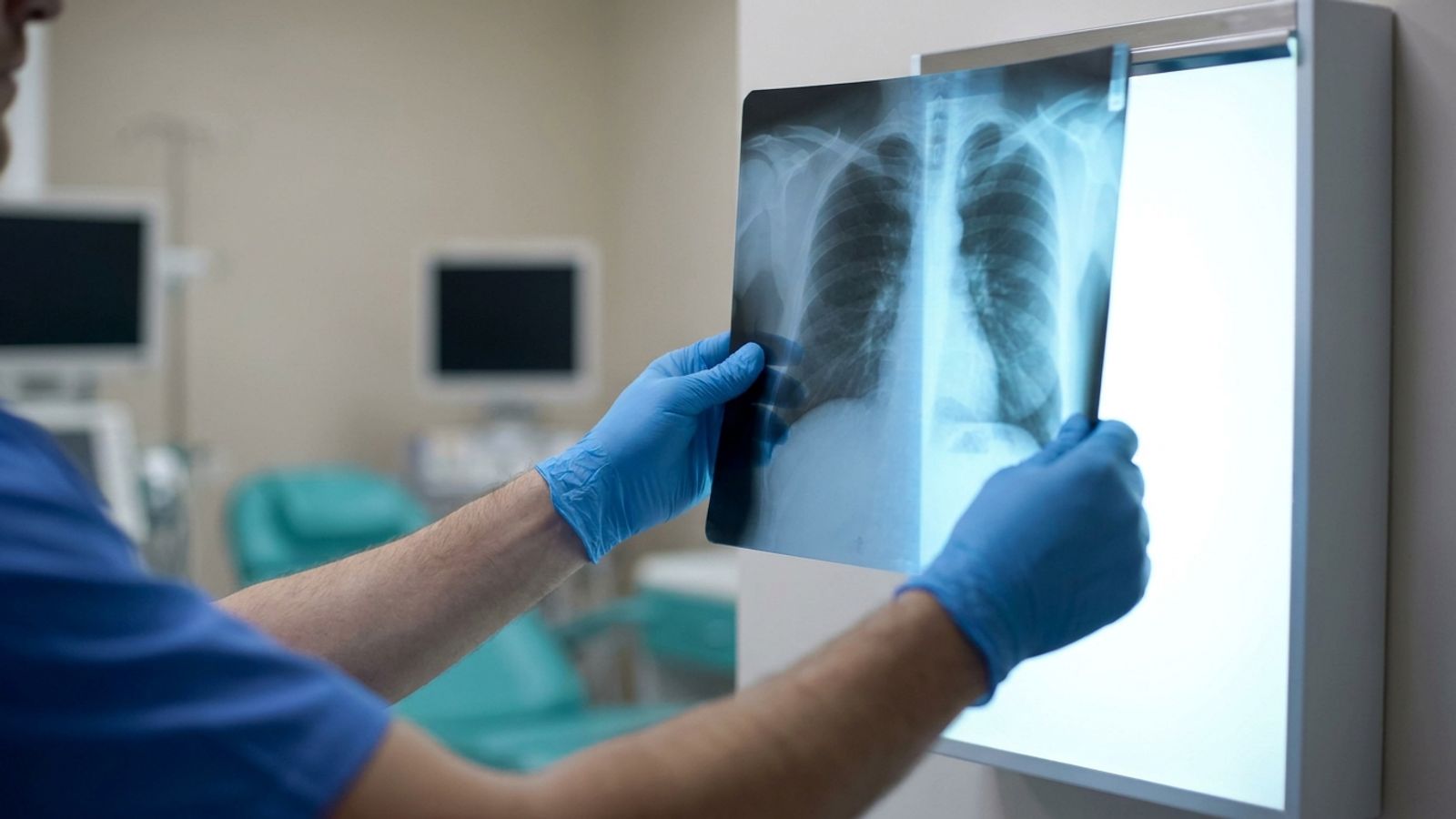
Walking pneumonia is a mild lung infection: sick enough to have a real cough, tiredness and often a low fever, but not so sick that you're stuck in bed. That's where the name comes from. It still deserves a clinician's look, because it can hang on for weeks, it spreads to the people around you, and from home it's hard to tell apart from a cold or bronchitis.
What is walking pneumonia?
Pneumonia is an infection in the lungs. "Walking pneumonia" isn't a formal diagnosis; it's the everyday name for a milder form, where you can still go to work or school, even if you shouldn't. A common cause is a bacterium called Mycoplasma pneumoniae. Other bacteria and viruses can cause it too.
It shows up in children, teenagers and adults, and it tends to spread where people spend a lot of time close together: schools, dorms, offices and households. Cases often climb in the fall and winter.
Walking pneumonia symptoms
Walking pneumonia usually comes on gradually over several days, rather than all at once like the flu. Common symptoms include:
- A cough that won't go away, often dry at first
- Feeling worn out, sometimes for longer than the cough
- A low fever or chills
- Sore throat and headache
- Chest soreness, especially from coughing
- Mild shortness of breath when you're active
Young children may seem fussy, eat less or just seem "off" rather than describing symptoms. Because the early signs look so much like a cold, many people go a week or two before wondering if it's something more.
Walking pneumonia or bronchitis?
Both cause a lingering cough, and both often follow a cold. Bronchitis is inflammation of the airways and is usually caused by a virus. Pneumonia involves the lung tissue itself. You can't reliably tell them apart at home, and the difference matters, because the treatment can differ. A clinician listens to your lungs, checks your oxygen level and vital signs, and may recommend a chest X-ray. More on the other side of that question: our guide to bronchitis.
Is walking pneumonia contagious?
Yes. The germs that cause it spread through droplets when someone coughs or sneezes. With mycoplasma, the time from exposure to symptoms can be a few weeks, so it often moves slowly through a household or classroom. Cover coughs, wash hands often, and don't share cups or utensils. Ask the clinician when it's reasonable to go back to work or school.
How long does walking pneumonia last?
It varies. Many people start to feel better within a week or two, but the cough and tiredness can linger for several weeks after the infection itself is under control. That's normal. What isn't normal is getting worse: rising fever, more trouble breathing, or feeling better and then suddenly worse.
How is it treated?
Treatment depends on the cause, which is why an exam matters. When a bacterial cause is likely, a clinician can talk with you about whether an antibiotic makes sense and which kind, since some common antibiotics don't work against mycoplasma. Viral pneumonia doesn't respond to antibiotics at all.
At home, the basics help you recover:
- Rest, even if you feel well enough to push through
- Plenty of fluids
- Over-the-counter fever and pain relievers, if they're safe for you
- A humidifier, which can help in Denver's dry air
- No smoking or vaping
Ask before giving any cough or cold medicine to a young child.
When should you get checked?
Come in the same day if you have a cough with fever, a cough that's lasted more than a week or two, mild shortness of breath, or symptoms that improved and then came back worse. Get checked sooner rather than later if you're older, pregnant, have asthma, COPD, heart disease, diabetes or a weakened immune system, or if it's a young child who's sick. Our mild pneumonia page covers what a visit involves.
What does a visit cost?
Self-pay, a standard visit is $175, and $250 if you need one moderate service such as an X-ray or a breathing treatment. A self-pay in-clinic visit never costs more than $330. We contract with all major commercial and government plans, including Colorado Medicaid and Medicare. We can't guarantee that a particular commercial plan has us in network; if yours turns out to be out of network or denies the visit, we drop you to the self-pay rates. Details are on our cost and insurance page.
Call 911 or go to the ER if you or your child is struggling to breathe or can't speak in full sentences, has blue or gray lips or fingertips, chest pain when breathing, is coughing up blood, is confused or unusually drowsy, or faints. Walking pneumonia is usually mild, but these signs are not.
Where to find us
Four clinics across metro Denver, all ages welcome, se habla español:
- Hampden (Southeast Denver): 8 AM–11 PM daily
- Littleton: 8 AM–11 PM daily
- Thornton: 8 AM–11 PM daily
- Highlands: Mon–Fri 5–11 PM, Sat–Sun 8 AM–11 PM
Walk in, or book online.
Medically reviewed by Peter Martinuzzi, MD
This article is general health information, not medical advice for your situation. If you are worried, come in or book a telehealth visit — and if it is an emergency, call 911.