
Laryngitis and a Lost Voice: What Helps, How Long It Lasts, and When to Get Checked
Laryngitis usually comes with a cold and clears in a week or two. Here's how to help your voice recover, and the signs that hoarseness needs to be checked.
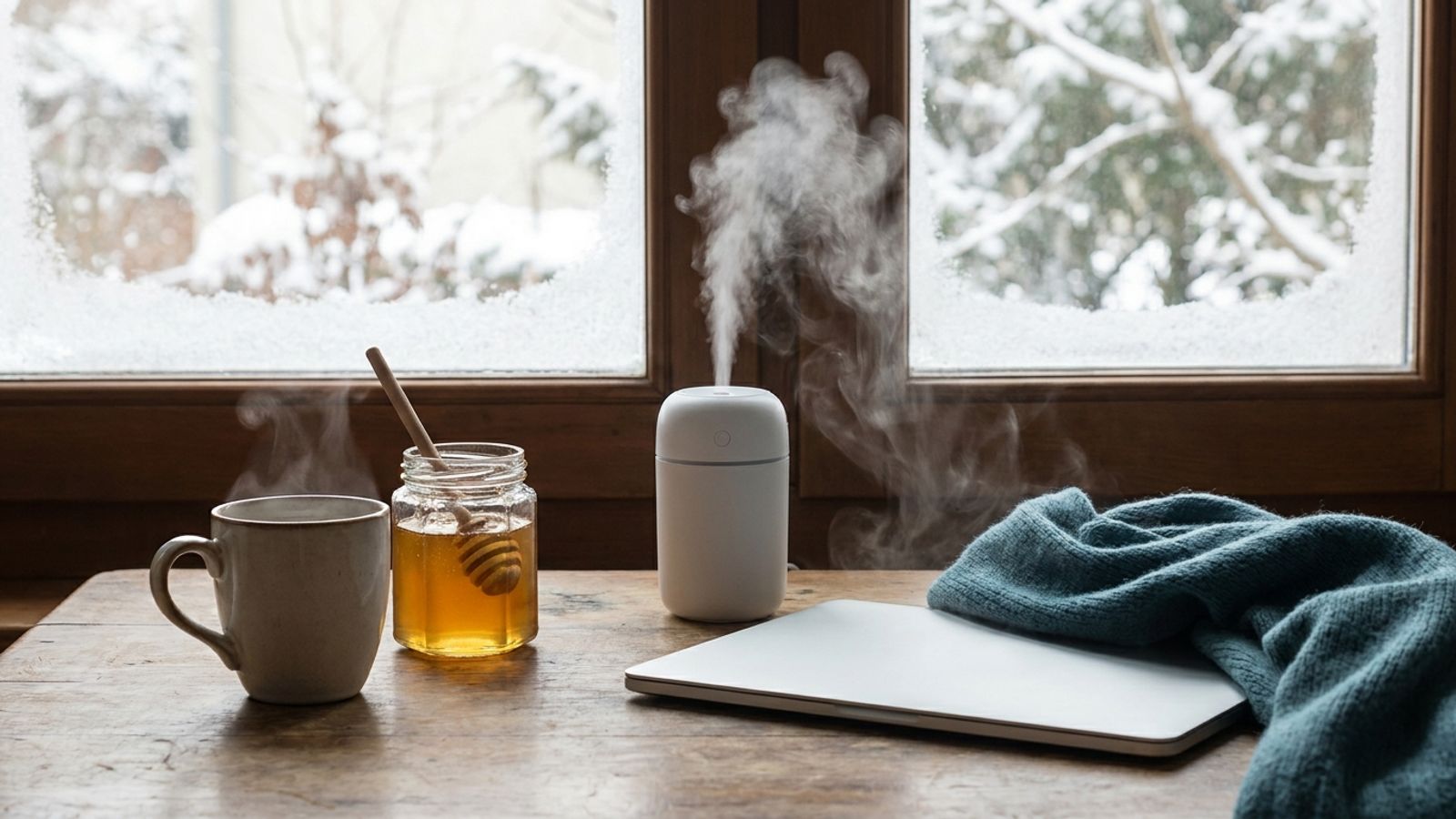
Laryngitis is swelling of the voice box (larynx), causing a hoarse, raspy or lost voice, often with a dry cough or sore throat. Most cases come with a cold or flu, or from overusing your voice, and get better on their own within one to two weeks. Resting your voice, staying hydrated and breathing moist air help most. Hoarseness lasting more than three weeks, or noisy or difficult breathing, should be checked.
Common causes
- Viruses, such as colds and flu, the most common cause
- Voice strain: yelling, cheering, singing or talking loudly for a long time
- Acid reflux, which can irritate the voice box, often with a morning hoarseness. See our acid reflux post.
- Allergies and postnasal drip
- Dry air, which is common in Denver, and smoke, including wildfire smoke
- Smoking or vaping
What helps your voice recover
- Rest your voice. Talk as little as you can, and don't whisper, which strains the voice box more than talking softly.
- Drink plenty of fluids, especially water and warm, caffeine-free drinks
- Breathe moist air: a humidifier, a steamy shower, or a bowl of hot water with a towel over your head
- Suck on lozenges or sip warm tea with honey
- Avoid alcohol, caffeine and smoke, which dry out the throat
- Skip decongestants unless you need them, since they can dry the throat
Antibiotics don't help viral laryngitis.
In children
In young children, a hoarse voice with a barking cough and noisy breathing in may be croup. Our croup post explains what to watch for.
When to get seen
Come in, or start with a telehealth visit, if hoarseness comes with a fever that won't go away, a sore throat that's severe, coughing up blood, or trouble swallowing, or if you use your voice for work and need help. Hoarseness lasting more than three weeks, especially if you smoke, should be checked by an ear, nose and throat specialist. At an AfterOurs clinic, a standard self-pay visit is $175, and a self-pay in-clinic visit never costs more than $330. Telehealth is $75. We contract with all major commercial and government plans, including Colorado Medicaid and Medicare. See the cost and insurance page.
Call 911 or go to the ER if you or your child has trouble breathing, a high-pitched noise when breathing in (stridor), drooling or can't swallow saliva, or a sudden loss of voice with a swollen throat after an allergic reaction or injury.
Where to find us
Four clinics across metro Denver, all ages welcome, se habla español:
- Hampden (Southeast Denver): 8 AM–11 PM daily
- Littleton: 8 AM–11 PM daily
- Thornton: 8 AM–11 PM daily
- Highlands: Mon–Fri 5–11 PM, Sat–Sun 8 AM–11 PM
Walk in, or book online.
Medically reviewed by Peter Martinuzzi, MD
This article is general health information, not medical advice for your situation. If you are worried, come in or book a telehealth visit — and if it is an emergency, call 911.