
Mastitis: Symptoms, Getting Treated Fast, and Whether to Keep Breastfeeding
Mastitis causes a painful, red, swollen area of the breast, often with fever and chills. Here's what helps, when you need antibiotics, and why you can usually keep feeding.
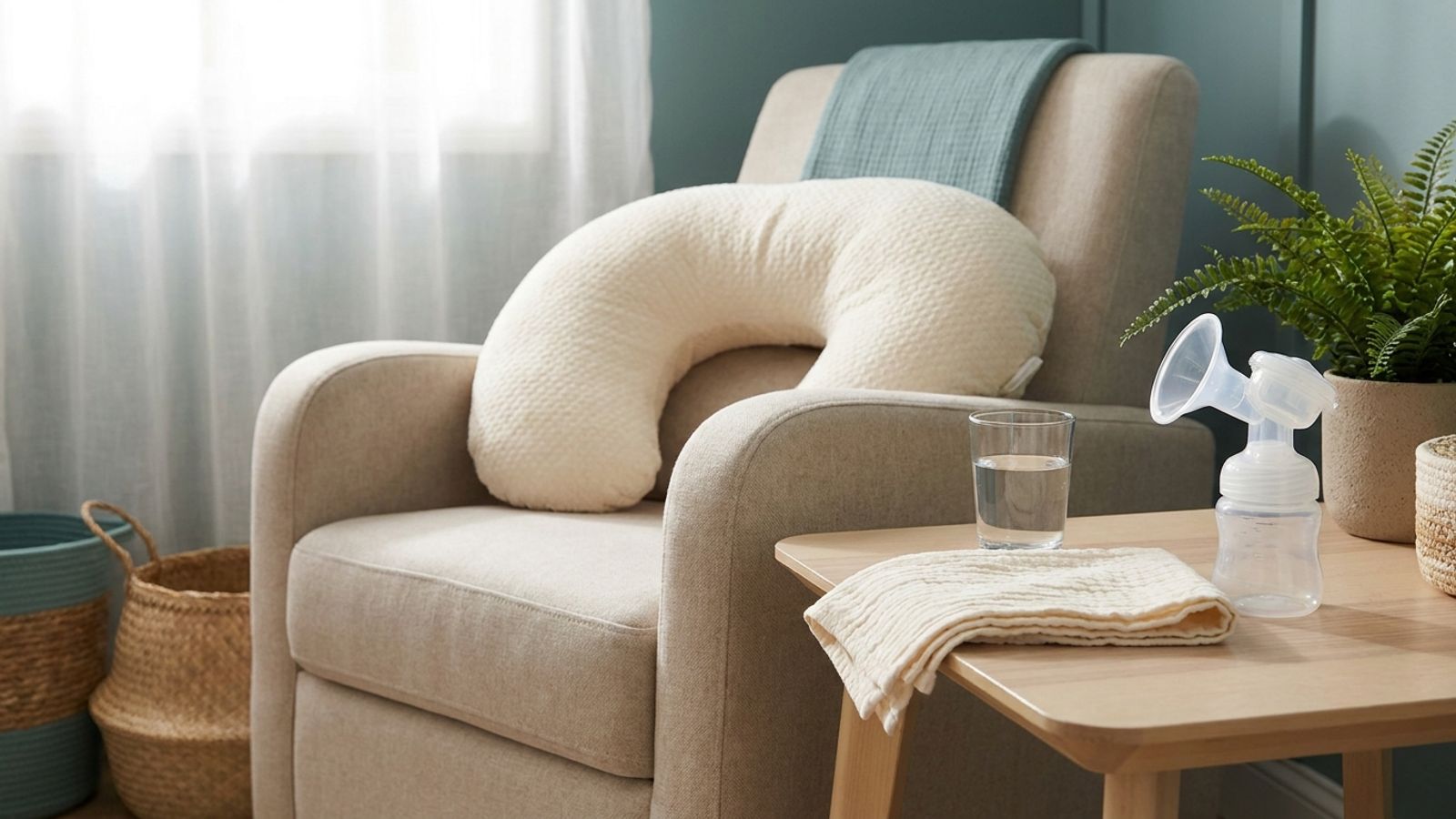
Mastitis is inflammation of the breast, most often while breastfeeding, that causes a painful, warm, red or darker, swollen area, sometimes with fever, chills and body aches like the flu. Mild cases often improve within a day or two with rest, pain relief, cold compresses and continuing to feed as usual. If you have a fever, feel unwell, or it isn't better in 24 hours, get seen: you may need antibiotics, and they're safe while breastfeeding.
Mastitis symptoms
- A tender, warm, swollen area in one breast
- Redness, or on darker skin, a purple, brown or darker area
- A firm or wedge-shaped area of the breast
- Pain or burning while feeding
- Fever of 100.4°F or higher, chills, tiredness and body aches
It's most common in the first three months after giving birth, but can happen any time, including in people who aren't breastfeeding.
What causes it
Mastitis usually starts with inflammation from milk building up or a narrowed duct, which can then become infected. Common triggers:
- Overfilling or very long gaps between feeds or pumping
- A shallow latch, or nipple cracks
- Pressure on the breast from a tight bra, bag strap or sleeping position
- Suddenly changing the feeding schedule, such as returning to work
What helps in the first 24 hours
- Keep feeding or pumping as usual from both sides. Don't try to empty the breast completely or pump extra, which can make the inflammation worse.
- Use cold compresses or ice packs wrapped in a cloth for 10 to 15 minutes several times a day
- Take ibuprofen and acetaminophen for pain and fever; both are considered safe while breastfeeding
- Wear a supportive, non-tight bra
- Rest and drink fluids
- Avoid deep massage of the breast. A gentle, light touch toward the armpit is fine.
The current advice has moved away from heat and firm massage, which can make swelling worse.
Can you keep breastfeeding?
Yes. Breastfeeding is safe for your baby with mastitis, including while you take antibiotics, and keeping milk flowing helps you recover. If one side is too painful, feed from the other and gently express or pump just enough from the sore side to feel comfortable.
When you need antibiotics
A clinician may prescribe antibiotics if you have a fever, feel very unwell, or aren't improving after 24 hours of home care. There are options that are safe while breastfeeding. Finish the whole course, even once you feel better.
When to get seen
Come in, or start with a telehealth visit, if you have breast pain with a fever or flu-like symptoms, if symptoms aren't better after 24 hours, or if they keep coming back. A firm, painful lump that doesn't go away after treatment may be an abscess and needs to be drained. At an AfterOurs clinic, a standard self-pay visit is $175, and a self-pay in-clinic visit never costs more than $330. Telehealth is $75. We contract with all major commercial and government plans, including Colorado Medicaid and Medicare. See our mastitis page and the cost and insurance page.
Go to the ER or call 911 if you have a high fever with a fast heartbeat, confusion, dizziness or fainting, redness spreading quickly across the breast, or pus or blood coming from the nipple with feeling very unwell.
Where to find us
Four clinics across metro Denver, all ages welcome, se habla español:
- Hampden (Southeast Denver): 8 AM–11 PM daily
- Littleton: 8 AM–11 PM daily
- Thornton: 8 AM–11 PM daily
- Highlands: Mon–Fri 5–11 PM, Sat–Sun 8 AM–11 PM
Walk in, or book online.
Medically reviewed by Peter Martinuzzi, MD
This article is general health information, not medical advice for your situation. If you are worried, come in or book a telehealth visit — and if it is an emergency, call 911.